




Key points:
- What the skin barrier is, how it impacts skin health, and how to tell if it’s damaged.
- Why everyone requires daily barrier support, even without barrier damage.
- A daily AM and PM skincare routine for rebuilding the skin’s lipid layer.
There’s a lot of buzz right now about skin barrier repair. You aren’t alone if you aren’t quite sure what it is, if you need it, or what products to use to repair your barrier. The need to repair your skin isn’t anything new. In fact, it’s at the heart of what I do as a Master Esthetician. That said, facials aren’t enough to keep your skin healthy, smooth, and resilient.
WHAT IS YOUR SKIN BARRIER?
The stratum corneum is the top protective layer of your skin from head to toe. Sometimes referred to as the lipid layer, it’s comprised of dead skin cells, ceramides, fatty acids, and cholesterol. You can’t see or feel this layer, but you may be able to see or feel when it’s damaged. Also, be mindful that some areas of your skin are thinner and more sensitive than others. This includes the skin on your face, neck, and décolleté.
Your skin barrier:
- Protects against pathogens, irritants, allergens, UV rays, and oxidative stress.
- Locks in moisture and minimizes transepidermal water loss that leads to dehydration.
- Plays a vital role in maintaining the skin’s elasticity, texture, and structural integrity.
SIGNS YOUR BARRIER IS DAMAGED
- Increased sensitivity
- Skin feels dry and tight
- Red or irritated skin
- Rough, dull, or uneven skin
- Increased oil or acne production
- Intensified lines and wrinkles

WHY EVERYONE NEEDS TO PRIORITIZE THEIR SKIN BARRIER
Even when your skin is healthy, maintaining your lipid layer is an ongoing process. Every night when you sleep, your body naturally repairs itself. This is why your skin looks aged when you don’t get enough rest. If you regularly don’t get enough sleep or rest is invested in restoring a damaged barrier, your body doesn’t have time to complete daily cellular repair. This contributes to premature and worsened fine lines and wrinkles.
So, adults of every age and gender must prioritize skin barrier repair. Take even a slight change to skin quality or appearance, as it’s a sign your skin is missing something it needs. When your barrier is stripped, you’ll need to take a very strategic approach. Once repaired, you must commit to daily maintenance and seasonal changes to your skincare routine. If your barrier is healthy, support your skin with nourishing, hydrating, and regenerative skincare ingredients.
THE TOP CAUSES OF DAMAGED SKIN BARRIER
1. Skincare products: Applying harsh skincare products, using products that strip your acid mantle, using products incorrectly, or prolonged Retinol or hydroquinone weaken or strip barrier function.
2. Hot water: Even though it feels good, cleansing your skin with hot water can strip your skin. The high temperature melts away the lipid layer, leaving your skin dehydrated. The skin on your body is likely to be a bit less sensitive to hot water than your face and neck.
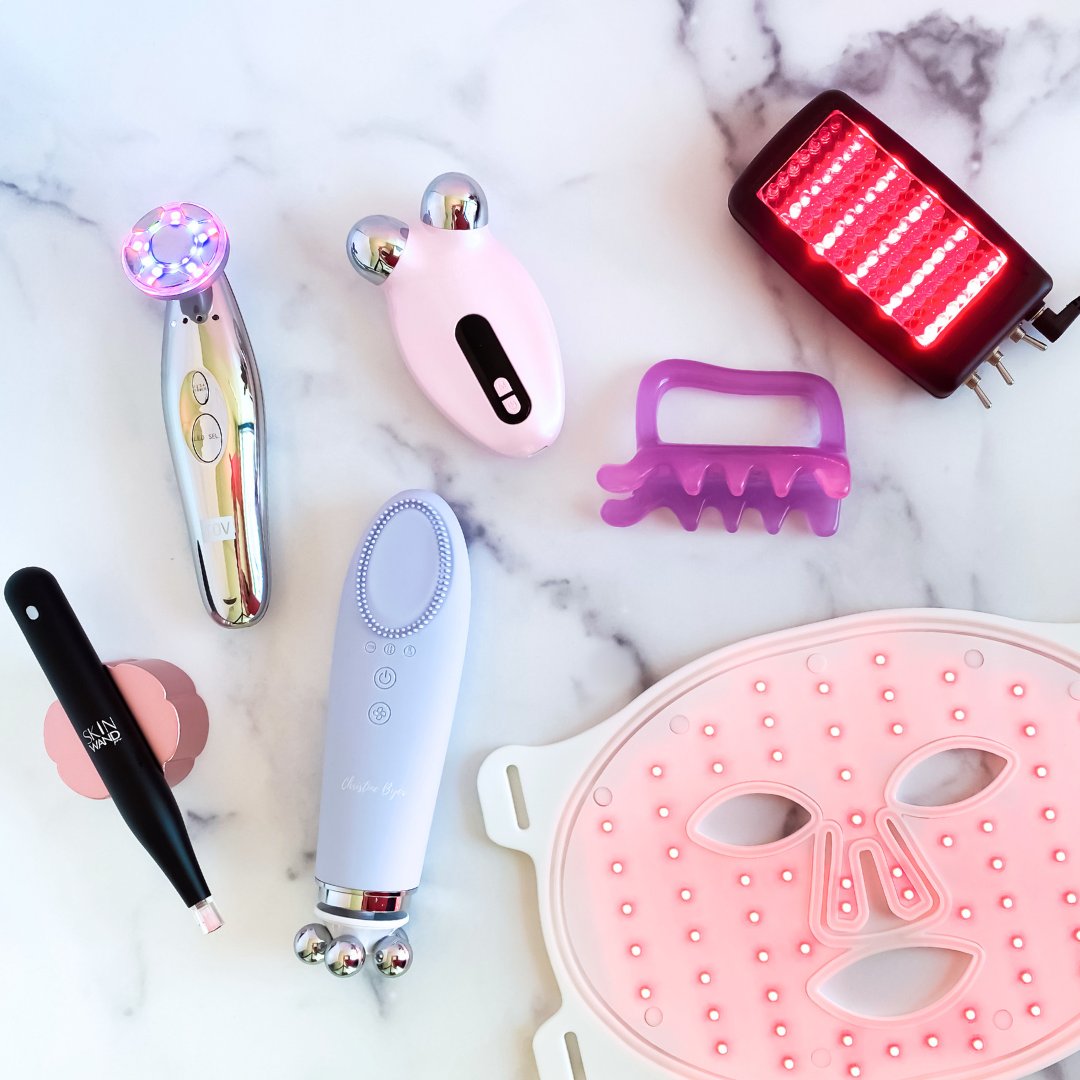
3. External factors: More is not better when it comes to exfoliation and anti-aging treatments. Over-exfoliating your skin, scrubbing too hard, harsh skincare devices, or using gentle skincare devices incorrectly can inflame your skin. These factors often create chronic inflammation that accelerates aging.
4. Environmental factors: Cold air, dry air, high winds, prolonged sun exposure, and environmental irritants strip your skin. You can minimize dry air indoors by using a humidifier. Year-round sunscreen is a must! You can also apply products that act as a secondary barrier and rotate skincare products by season.
5. Individual lifestyle and health: Skin health isn’t just a matter of what you put on your skin, but also of what you put in your body. An antioxidant-rich diet and adequate water intake nourish and hydrate skin. Inflammatory skin conditions, including psoriasis, eczema, rosacea, and acne, create spots of increased damage.
DAILY PROTOCOL FOR GENERAL BARRIER REPAIR AND MAINTENANCE
It’s never one product or treatment that rebuilds your skin’s lipid layer, soothes inflammation, or rejuvenates your skin. Your skin requires daily application of high-performing actives, applied in strategic layers.
AM SKINCARE ROUTINE TO PROTECT AND PREVENT BARRIER DAMAGE
I have a few daily regimens that are ultra-low maintenance, but if you need to heal damage, product layering is essential. You’ll see and feel improvement within the first week of using the protocol below, significant repair in 30 days, and maximum repair between 3 and 5 months.
STEP 1: CLEANSE
Apply a gentle cleanser that won’t strip your skin’s acid mantle. The cleansers I use are the first step in nourishing and hydrating skin.
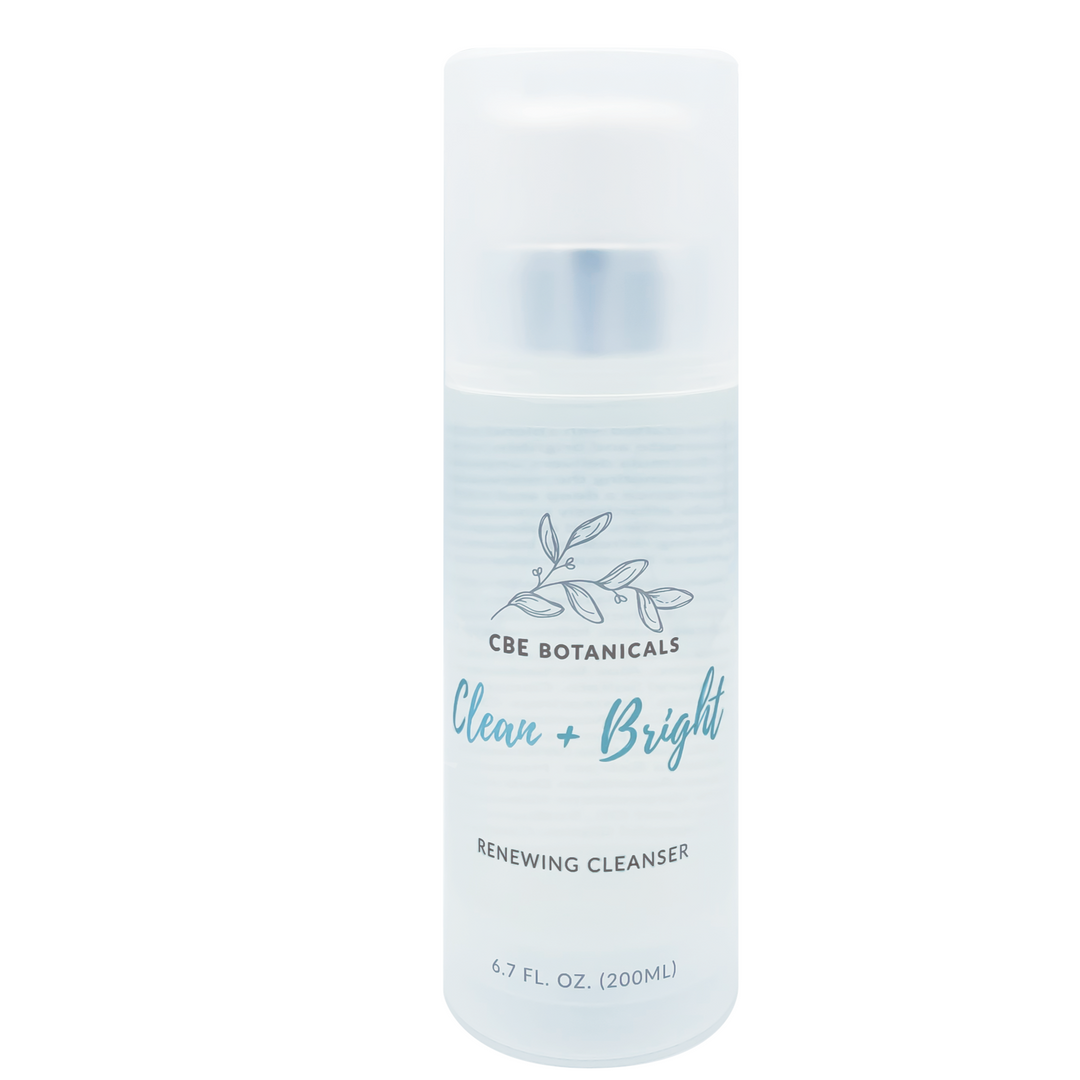
- NeoGenesis Cleanser and CBE Clean + Bright are formulated to pH balance the skin and promote surface renewal.
STEP 2: ANTIOXIDANT-RICH SERUM
The serums below are multi-tasking. They nourish and protect your skin while addressing a range of skin conditions.

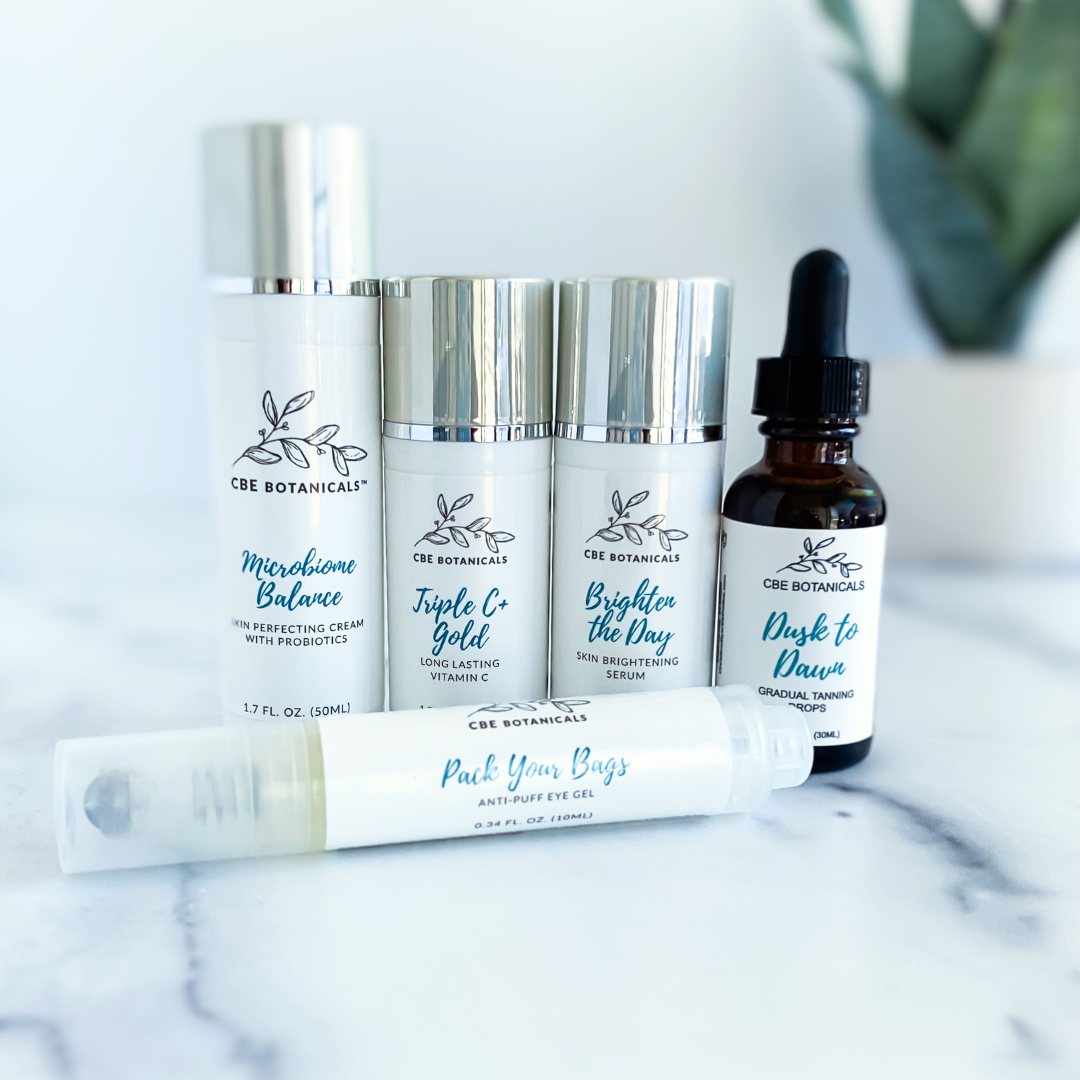
- CBE Botanicals Triple C + Gold fades acne scars, sunspots, and pigmentation of every kind. This formulation contains an ultra-gentle encapsulated form of Vitamin C. The Gold supercharges the antioxidants and promotes radiant and glowing skin.
- CBE Botanicals Fruity Peptide Serum soothes, hydrates, and brightens skin. It’s a powerful anti-aging formulation that contains an ultra-gentle retinol alternative, Palmitoyl Tripeptide-1. The serum also contains Buah Merah Oil and a reparative Triple Ceramide Lipid Complex.
STEP 3: PEPTIDE LAYER
The serums above contain peptides, but your skin requires different categories of peptides for maximum repair.
- CBE Botanicals Mist + Conduct is a mineral-rich formula that binds moisture to your skin, which is essential for protection and repair. Spray it on after the serums above dry. You can also use this formulation as a rewetting spray when using at-home skincare devices. It improves the conductivity of microcurrent, ultrasound, and EMS while providing comfortable slip and glide.
STEP 4: MOISTURIZE
Now it’s time to lock in moisture, while providing your skin with a powerful range of ingredients that support skin resilience.
- CBE Botanicals Renew + Hydrate is a dream for aging skin. This luxurious formulation reinforces the skin barrier and provides deep hydration. It contains a Duo of Signal Peptides and a powerful Anti-Aging Complex that is clinically proven to boost firmness by up to 55% in just 2 weeks.

STEP 5: BROAD-SPECTRUM UV PROTECTION
The layers above provide a protective barrier against environmental toxins, but they aren’t enough to block UV rays. Or the blue lights of electronic devices and lighting. If your makeup or BB cream doesn’t provide SPF 50, you’ll need a dedicated sunscreen. Both of the formulations below protect and treat your skin.
- Dr. Esthé Dual Barrier Cream is my top pick for damaged barriers. It’s formulated to mimic and repair the skin’s lipid layer. This creamy formulation goes on just like a standard moisturizer. Active ingredients include restorative Ceramides and Dual Hyaluronic Acid to draw moisture into the deep layers of the skin.
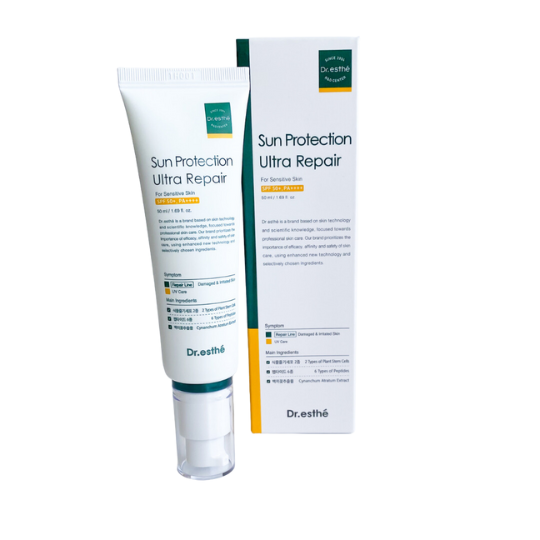
- Dr. Esthé Sun Protection Ultra is ultra-smooth and lightweight. Active ingredients include 6 Peptides, Plant Stem Cells, and the patented Derma Clera. Derma Clera supports skin barrier function.

PM ROUTINE TO REPAIR AND REBUILD DAMAGED LIPID LAYERS
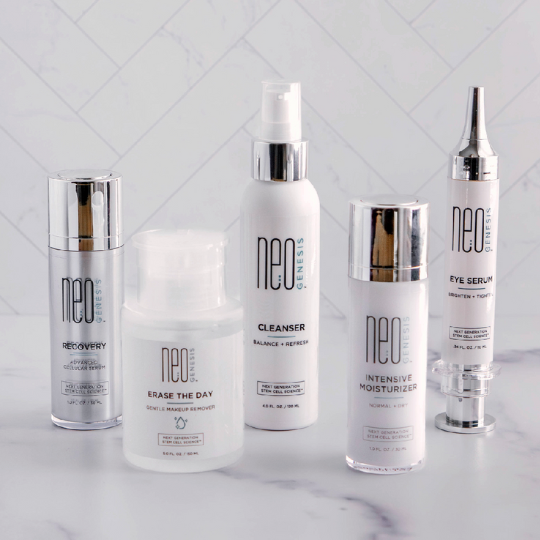
The morning skincare routine above contributes to barrier repair, but this evening routine accelerates healing. In addition to restoring your barrier, it prompts collagen production and cellular repair. This addresses a range of skin conditions, including inflammation, fine lines, wrinkles, and laxity. It’s centered around the NeoGenesis product line. NeoGenesis’s patented S²RM® stem cell technology is so effective that it’s oncology-approved for healing radiation burns.
STEP 1: CLEANSE
If your skin is extra grimy or you’re wearing long-wear makeup, the cleansers below are gentle enough to double cleanse.
- NeoGenesis Cleanser and CBE Clean + Bright dissolve oil, grime, and makeup to prep your skin for the reparative products below.
STEP 2: REPARATIVE SERUM
This serum does SO much for your skin! If you have areas that are more inflamed or sensitive, apply it a bit thicker in that area. This includes areas with psoriasis, eczema, and rosacea.
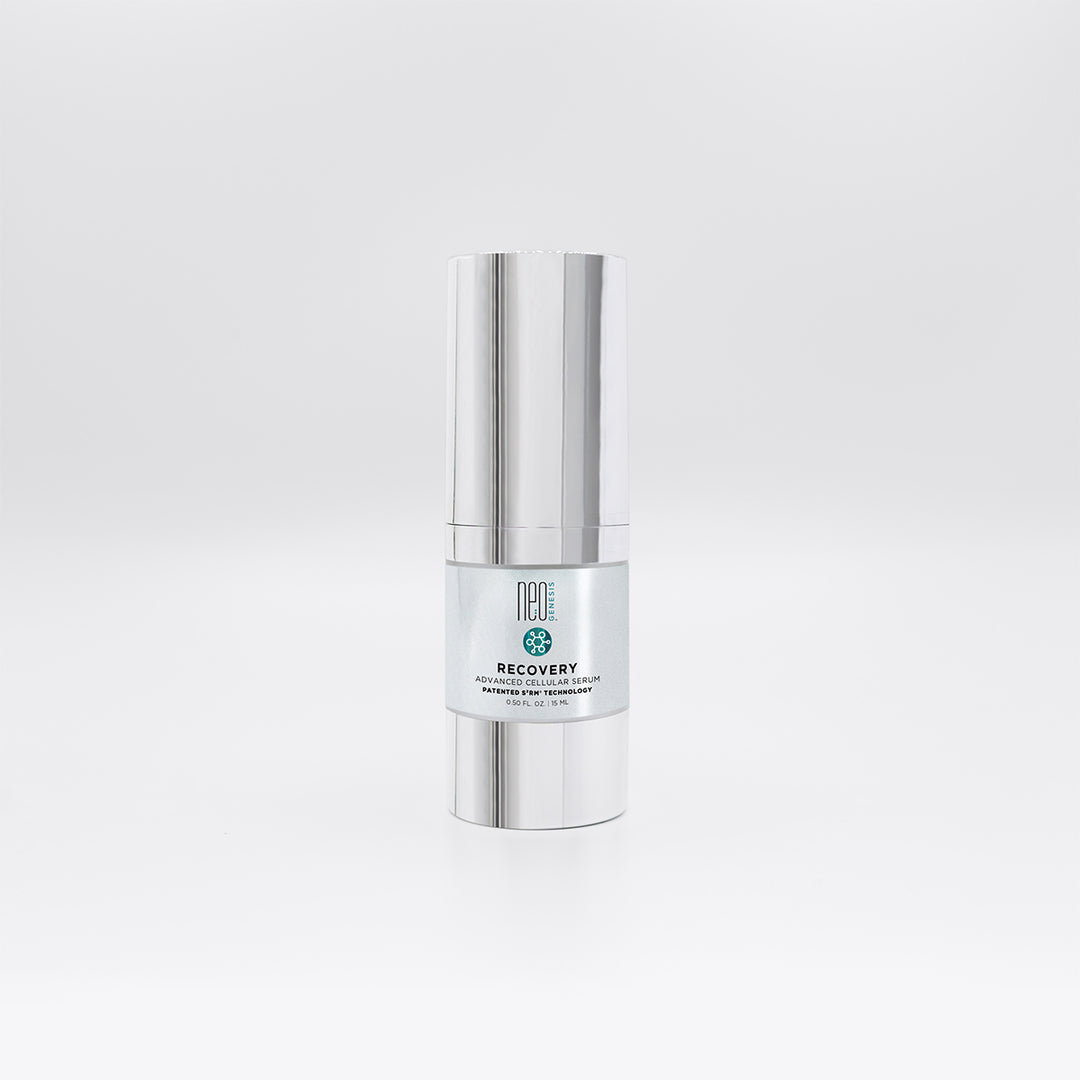
- NeoGenesis Recovery supports cellular repair to thicken thin skin and brighten dull skin. It also soothes red and inflamed skin.

STEP 3: EYE SERUM
Your eyes are often the first place to show signs of aging. Feel free to apply the serum below in the morning too!
- NeoGenesis Eye Serum treats the delicate eye area, decreasing dark circles, lines, wrinkles, and puffiness. It contains Sodium Hyaluronate Butyrate for maximum hydration.
STEP 4: MOISTURIZE
The moisturizers below are ultra-reparative formulations that restore your skin while you sleep.
- NeoGenesis Barrier Renewal Cream is specifically formulated to heal, hydrate, and rebuild. It also soothes inflammation, smooths wrinkles, and brightens skin. It’s a top pick after aggressive skin care treatments.
- Dr. Esthé Sun Protection Ultra is a unique sunscreen, as you can apply it both AM and PM. Its ingredient range is powerful enough to seal and heal your skin while you sleep.

WHAT OTHER QUESTIONS DO YOU HAVE ABOUT YOUR SKIN?
The protocol above treats a range of skin conditions, but I understand that you may have skin-specific questions. If you want to learn more about tailoring your skincare routine, consider joining the CBE Rewards Club. As a member, you’ll receive $10 in cash rewards each month, 10% off CBE Botanicals products, and exclusive BOGO events, flash sales, contests, and prizes. Membership includes access to the Rewards Club Lounge, where you can ask me your most pressing skincare questions!
Frequently Asked Questions
How long does it take to restore your skin barrier?
Minor damage heals in 1 to 2 weeks. Moderate damage takes 3 to 4 weeks, and severe damage takes 3 to 5 months to heal.
Why does a damaged barrier intensify fine lines and wrinkles?
When your lipid layer is weak or stripped, your skin can’t retain moisture, which causes skin to sink in. When skin sinks in, it deepens lines and wrinkles. You may also experience flaky or patchy skin, which further intensifies wrinkles.
How can I tell if my skin barrier is damaged?
If your skin looks or feels dull, rough, dry, tight, sensitive, uneven, or more oily than usual, your lipid layer might be stripped. There could also be something else going on, so schedule an appointment with your esthetician.