

Key points:
- What peptides are and how they support skin longevity.
- The 4 primary categories of peptides for skin care.
- Esthetician-approved and multi-tasking peptide products.
Peptide skincare is finally getting the attention it deserves. Peptides are more than a passing trend, as these skin messengers are a powerhouse active ingredient I’ve used for decades as a Master Esthetician. A must for mature skin, I suggest peptides for clients of all ages and skin types. They work by signaling your cells to maintain and restore collagen, increase hydration, improve barrier function, and strengthen and smooth skin. If boosting resilience while repairing current skin conditions is your objective, your skin needs peptides.
UNDERSTANDING PEPTIDES
Peptides are naturally-occurring short-chain amino acids that signal the cells to perform and optimize a range of reparative functions. They’re at the center of the longevity conversation both internally and externally, as production of these rejuvenating molecules slows as part of the natural aging process. When it comes to your skin, I suggest peptides for everything from thinning skin to barrier function, lines and wrinkles, and skin conditions, including acne, eczema, and dermatitis.

To signal your cells, the topical products you apply must absorb to the cellular level. Many products sit on top of the skin because they lack the proper delivery system, or they have a delivery system, but can’t absorb past dead skin buildup.
- Exfoliate: Physical exfoliation isn’t enough to remove dead cells in mature skin. Apply gentle chemical exfoliators (AHA and BHA) at least 2 days a week to help all products sink into your skin.
- Proven Delivery System: A common misconception is that peptides must be injected to reach your cells. My preferred topical peptides turn to science to ensure actives penetrate all the way to the deeper skin layers.
The 4 TYPES OF PEPTIDES IN SKINCARE
Our body produces over 7,000 peptides that support a range of physiological functions. When it comes to skin cells, tissue, collagen, and elastin, these reparative molecules fall into 4 primary categories.
1. SIGNAL PEPTIDES
The most common type found in skincare, signal peptides prompt your body to boost collagen and elastin production. One of the things I love about them is that they signal collagen production regardless of your baseline. So, even if your collagen loss is low, they activate collagen banking and skin longevity. Signal peptides also boost hyaluronic acid production.

Products include:
- Dr. Esthé MGF Renewal Solution: A dream for damaged, aging, crepey, or depleted skin, this nourishing ampoule renews skin with a combination of Snail Mucin, a 5 Peptide Complex, and a 4 Growth Factor Complex.
- CBE Botanicals Renew + Hydrate: This luxurious formulation contains a Duo of Peptides and an Anti-Aging Complex that is clinically proven to boost firmness by up to 55% in just 2 weeks. It deeply hydrates and supports skin resilience.
- CBE Botanicals Eye + Neck Lift: This formulation smooths, lifts, and firms mature skin. When applied 2 times a day for 2 months, the Matrixyl 3000® within is scientifically proven to achieve up to 14.4% reduction in roughness, 16.6% lift, and 44.9% deep wrinkle reduction.
2. CARRIER PEPTIDES
Carrier peptides nourish and heal your skin at the cellular level. They circulate from one cell to another, delivering precisely what each cell is lacking. The most common type of carrier peptides in skincare are copper peptides, which heal and firm mature, thin, and damaged skin. Carrier molecules are common ingredients in medical-grade topicals designed for wound healing. Medical-grade ingredients are increasingly common in anti-aging skincare.

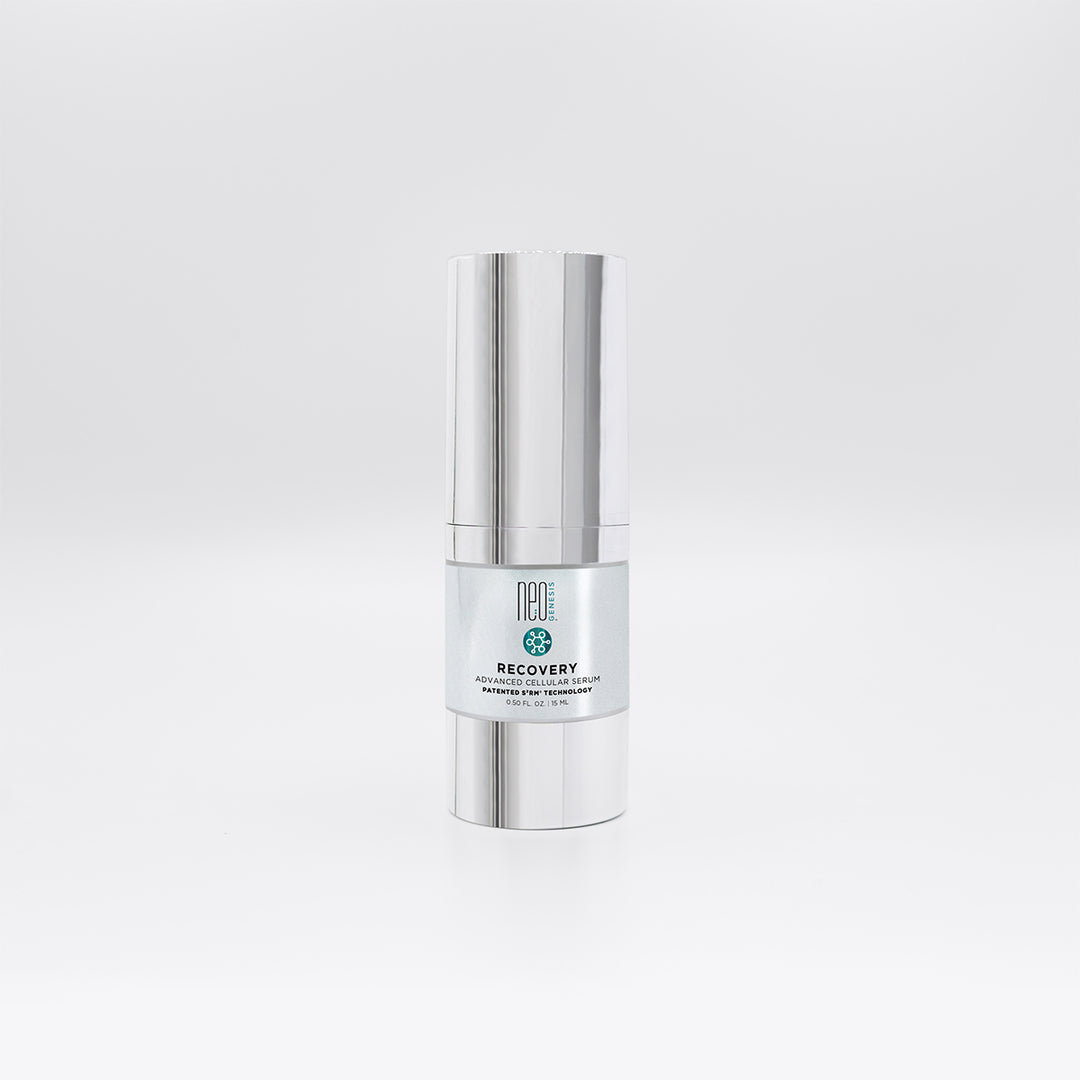
- NeoGenesis Recovery: In addition to potent peptides and powerhouse antioxidants, this formulation contains the patented S²RM® Stem Cell Technology. This is the only topical stem cell brand I’ve found that works. It’s so effective at repair and restoration, it’s oncology-approved for radiation burns.
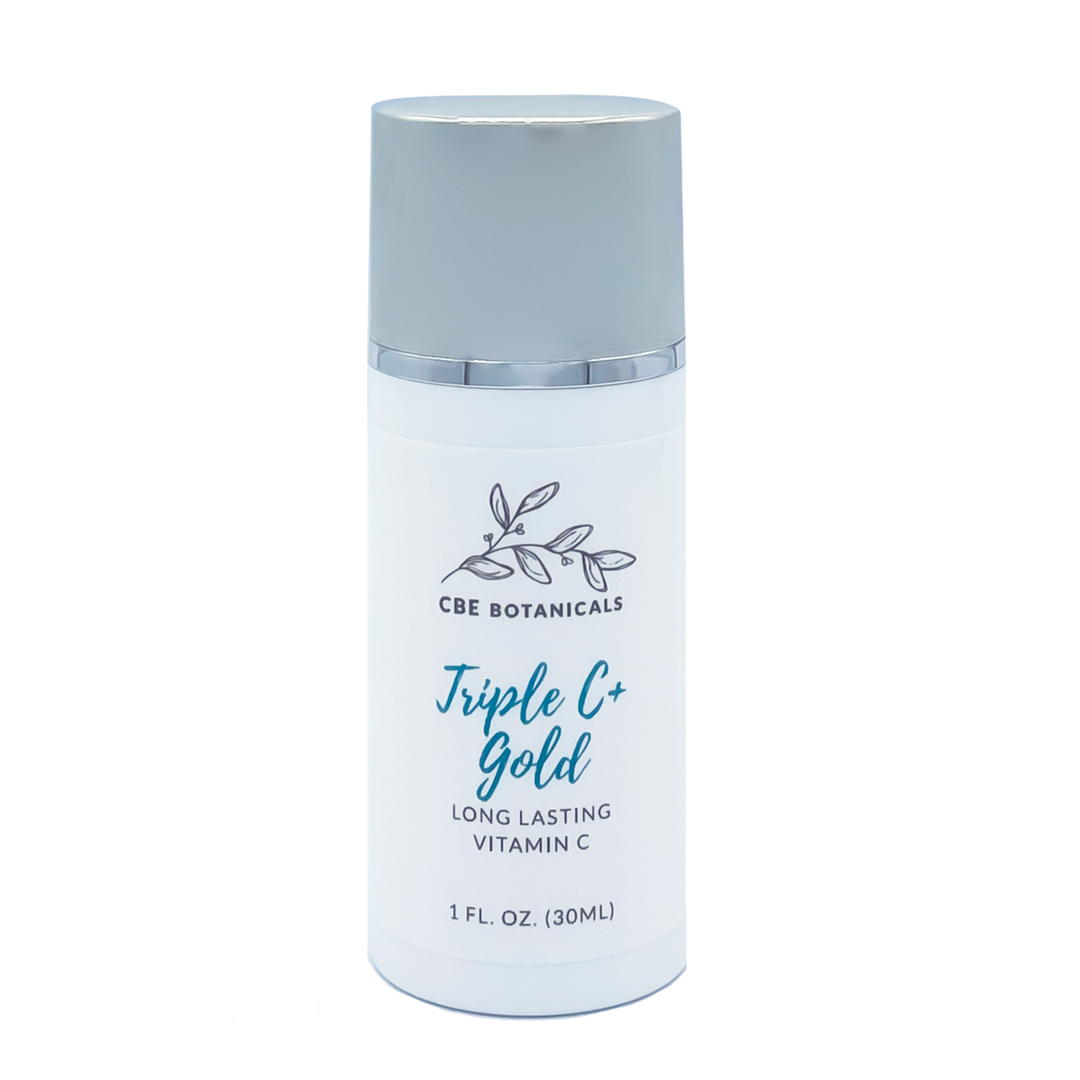
- CBE Botanicals Triple C + Gold: This Vitamin C serum is gentle enough for sensitive skin. It’s formulated with Peptides and Gold to fade dark spots and even out your complexion. If you use retinol, apply this serum in the morning, and retinol at night for maximum brightening.
3. ENZYME INHIBITOR PEPTIDES
Where signal peptides prompt collagen and elastin production, enzyme inhibitors preserve existing collagen. This is achieved by slowing the rate at which collagen and elastin break down.
- CBE Botanicals Fruity Peptide Serum: This luxurious serum soothes, hydrates, and brightens skin. It contains an ultra-gentle retinol alternative Palmitoyl Tripeptide-1, as well as Buah Merah Oil and a reparative Triple Ceramide Complex.

4. NEUROTRANSMITTER INHIBITOR PEPTIDES
Neuropeptides are Botox-like topical formulations that reduce the signals that contract muscles that lead to brow lines and crow’s feet. Some of my clients apply these products as an alternative to injectables, and some apply them in combination with injectables to optimize rejuvenation and prolong their results.

- Hevatox Gold Eye Lift Cream: The Hevatox line contains the Botox-like peptide SP1-TOC Botulinum Polypeptide. It helps to soften fine lines and wrinkles without painful injections.
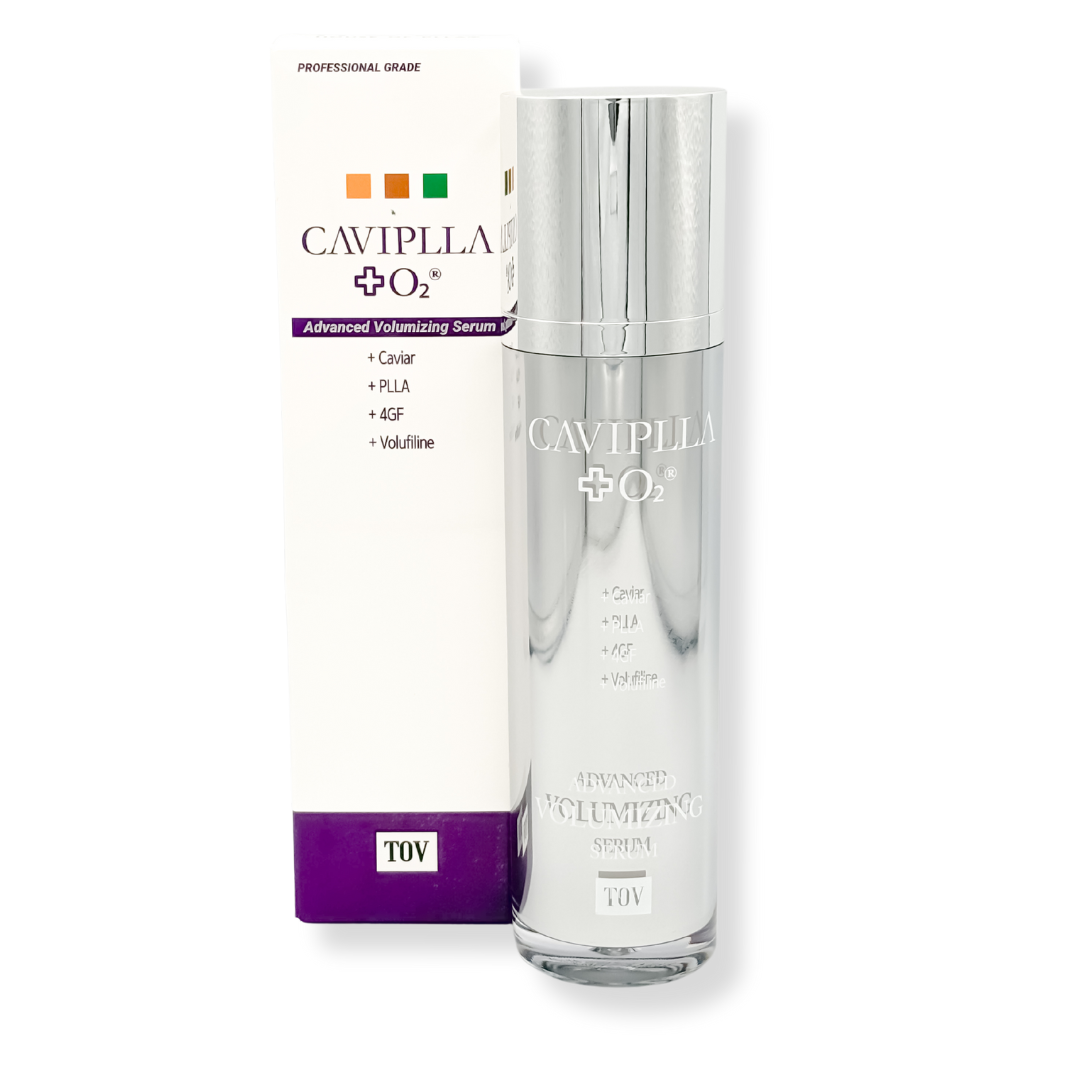
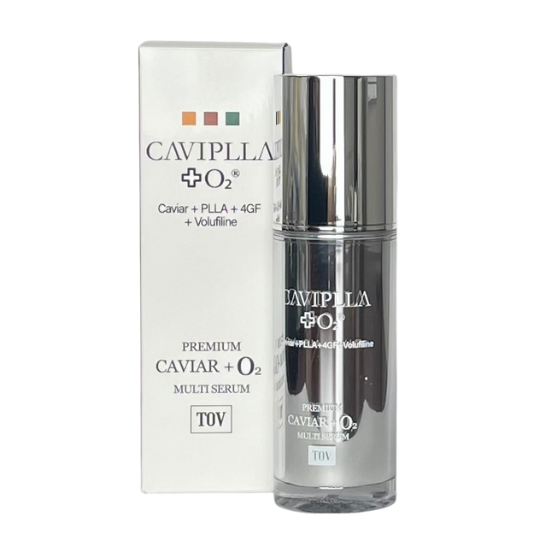
- CaviPLLA + O2 Advanced Volumizing Serum: This Oxygenating serum is from House of PLLA’s facial filling line. It contains Peptides, Caviar Extract, and PLLA. The PLLA wraps around hair follicles, creating a firming collagen matrix underneath your skin.
- Tony Moly Bio Ex Fill Up Line: Tony Moly’s Bio Ex Peptide line combines Skin Signaling Peptides, Bioactive Peptides, Growth Factors, and Plant Stem Cells to relax and plump out skin.
LET’S DISCUSS TAILORING THE PEPTIDES IN YOUR SKINCARE ROUTINE
If you’re familiar with my skincare philosophy, you know that I suggest tailored, concentrated, and multi-tasking actives. So, think beyond peptides and other high-performing actives, to everything your skin requires for rejuvenation and longevity. This includes peptides, but these powerhouse molecules are one of many ingredients your skin requires to continually heal and repair.
To identify what peptides your skin needs most, join the CBE Rewards Club. As a member, you’ll receive $10 in cash rewards each month, 10% off CBE Botanicals products, and exclusive BOGO events, flash sales, contests, and prizes. Membership includes access to the Rewards Club Lounge, where you can ask me your most pressing skincare questions.

Frequently Asked Questions
Do peptides have to be injected to be effective?
No. This is a common misconception. However, many topical peptides sit on top of the skin, never reaching the cells to work their magic. The peptide-infused formulations I utilize have delivery systems that absorb into the deep skin layers for maximum efficacy.
Are peptides better than retinol?
Peptides aren’t “better” or “worse” than retinol (vitamin A). These active ingredients address different aspects of aging. However, peptides are more versatile and can be applied daily without irritation. Retinol should be encapsulated to minimize irritation and only applied 3 times a week in the evenings. If you have mature skin, you may require both actives.
- Retinol is a reactive approach to aging. It speeds up cell turnover, resurfaces skin, and stimulates collagen production.
- Peptides take both a proactive and reactive approach to aging. They nourish cells, build and bank collagen and elastin, and heal, firm, and smooth skin.
How many times a day do you need to apply peptides?
For optimal results, you want to include topical peptides in both your morning and evening skincare routine. For maximum healing, repair, and resiliency, apply multiple types of premium peptides to your skin, in combination with a tailored range of premium actives.