

Key points:
- Chemical peels are an increasingly popular way to shed dead skin build up as cellular turnover slows over the age of 40.
- Light peels shed cells, not skin, while medium and deep chemical peels cause both the cells and skin to peel and shed.
- Peels aren’t the only way to shed dead cells, smooth skin, and brighten pigmented areas.
As your skin matures, you may consider adding chemical peels to your skincare regimen. You may also explore peels if you’re experiencing acne or pigmentation at any age. However, you must be clear about what a chemical peel does. Brightening is one of the many benefits of these deep treatments. Below are the answers to the top questions I’m asked about peels. Also, my Master Esthetician-approved advice for at-home peels and gentle and effective skin brightening.
WHAT DOES A CHEMICAL PEEL DO?
A chemical peel is a treatment that removes the outermost, or outer and deeper layers of dull and damaged skin cells. Lighter treatments (aka. superficial peels) gently encourage cellular buildup to shed, revealing the fresh, smooth, and brighter skin beneath. This is essential, as cellular turnover slows down in your 40s. Without removing this buildup, skin looks dull, skin becomes rough, and product can’t penetrate to the deeper layers. If not addressed, the visible signs of aging accelerate. That said, peels aren’t the only way to accelerate turnover, but they may be part of your skincare regimen.
Peels are utilized to treat:
- Acne and acne scars
- Congested pores
- Uneven skin tone
- Dark spots of any kind
- Rough skin textures
- Fine lines and wrinkles
THE TOP 3 REASONS TO GET A CHEMICAL PEEL
1. Rough or Dull Skin: A peel removes the top layer of buildup, which brightens dull skin and leaves skin silky smooth.
2. Uneven Skin Tone: A chemical peel helps fade sunspots, hyperpigmentation, redness, acne scars, and other scarring.
3. Intensified Lines and Wrinkles: Dead skin buildup piles up on top of the skin, turning lines into wrinkles and wrinkles into valleys.
PRO TIP: NOT ALL PEELS CAUSE PEELING
Medium and deep peels cause dramatic skin peeling and shedding. Light peels shed cells, not skin, promoting pain-free radiant skin, improved skin tone, and even texture.

PEELS FALL INTO 3 PRIMARY CATEGORIES
- Light Peels: These superficial peels use gentle AHA and BHA acids to smooth and brighten by removing the top stratum corneum layer of dead skin cells. This includes gentle at-home chemical peels. You can complete these treatments up to once a week. With my preferred product, there is zero downtime. Skin cells shed, but you won’t experience pain or peeling skin. Always use as directed.
- Medium Peels: Medium peels must be completed by a licensed skincare professional. They’re typically formulated with a 20% to 30% concentration of trichloroacetic acid (TCA) to remove the first layer of skin and the papillary dermis, the upper layer of the second layer of skin. Limit this deeper treatment to 1 to 3 times per year. Your skin will shed and be red and sensitized for 5 to 7 days. Expect it to take at least 4 weeks for your skin barrier to regenerate.
- Deep Peels: Deep peels are once-in-a-lifetime major medical procedures. They require sedation, cardiac monitoring, an IV, and 2 to 3 weeks of at-home recovery. Deep peels are typically formulated with Phenol (carbolic acid). Phenol rapidly absorbs through your skin to your entire body and poses major medical and health risks. Sometimes a 40% concentration of TCA is used instead of Phenol, but higher concentrations of TCA increase the risk of scarring. Skin will swell, ooze, and be raw and extremely sensitive while it peels and scabs over. The first 7 days are uncomfortable, but you’ll likely be prescribed pain medications and antibiotics. Your skin will be most sensitive for the first 4 weeks and will require 3 to 6 months for full healing.
DO I NEED A CHEMICAL PEEL?
Most of my clients who are 40+ or acne-prone benefit from a weekly or monthly light chemical peel, combined with a tailored skincare routine. If you haven’t yet, transition from mechanical exfoliation to chemical exfoliation. When you combine deep exfoliation with brighteners and concentrated anti-aging ingredients, you can achieve the same benefits with zero downtime. As we enter our 40s, cellular turnover slows down, and skin requires more support to shed the buildup of dead cells. Incorporating gentle alpha hydroxy acids and beta hydroxy acids helps keep your skin bright, smooth, and rejuvenated.
That said, I completely understand if deeper peels are part of your skincare journey. Especially a fall or winter peel to fade summer pigmentation. I suggest transitioning to a calming and restorative skincare protocol for 2 to 4 weeks post-peel.
ARE HARSH PEELS MY ONLY OPTION FOR SKIN BRIGHTENING?
No, light, medium, and deep peels aren’t the only solutions for brightening dull skin or pigmented skin. I wish more clients knew this so that they could skip the pain and downtime of harsh peels!
With the right routine, you can brighten and restore your skin with gentle products that require zero downtime. Or, get your quarterly peel, then transition to the weekly regimen below to keep your skin clear, smooth, and radiant. I suggest my Master Esthetician-Approved protocol for skin cycling and brightening.
5-STEP GENTLE AND EFFECTIVE AT-HOME PEEL
Now that you understand what a chemical peel does, let’s discuss how to incorporate a gentle peel into your weekly routine. I’ve found that the regimen below works better and lasts longer than prescription brighteners, including hydroquinone. Complete this at-home treatment once a week in the evenings to restore and rejuvenate your skin.
STEP 1: CLEANSE
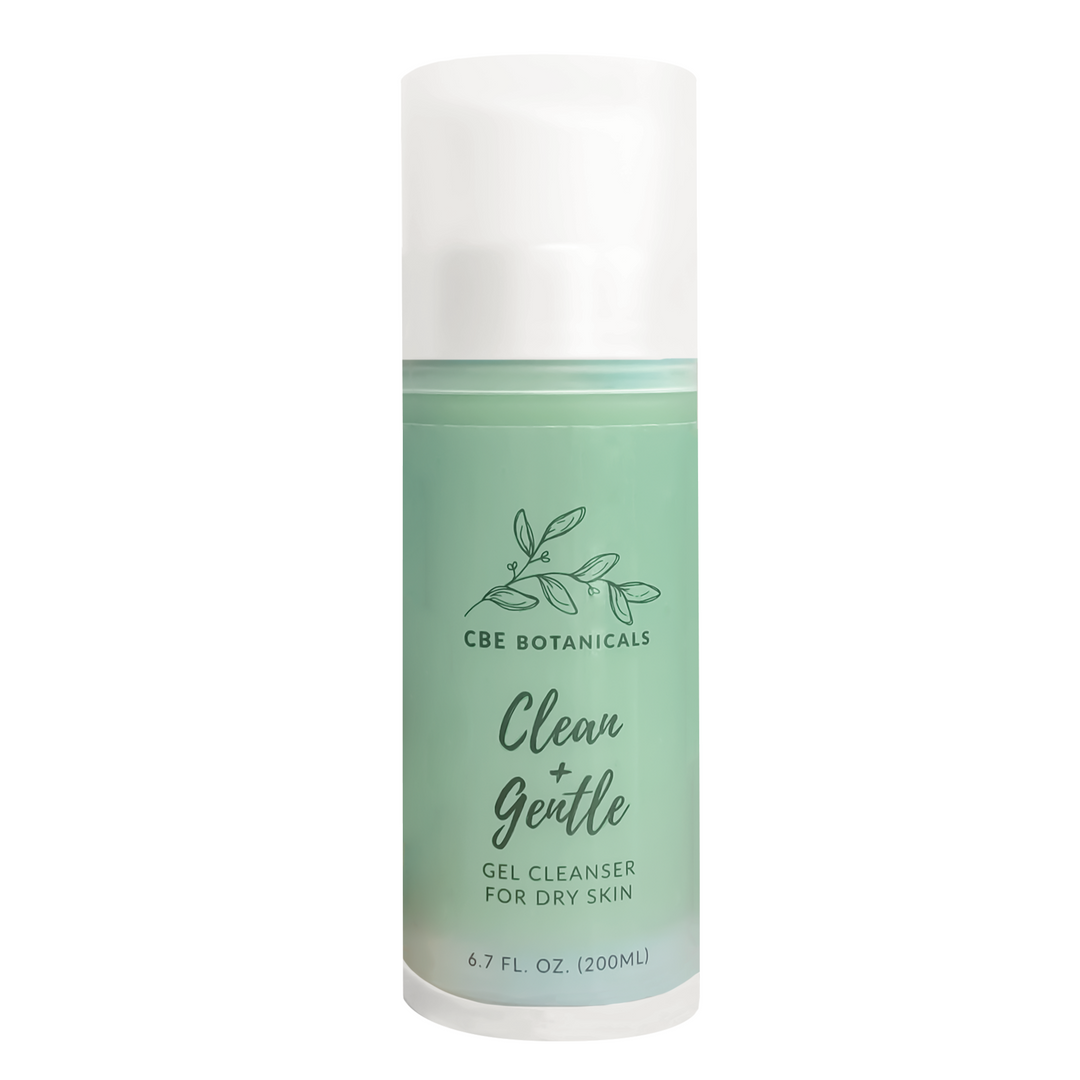
CBE Clean + Gentle removes oil, grime, and makeup, and tones and preps your skin. You can use this formulation to single or double-cleanse. Always use a gentle cleanser before your at-home peel.
STEP 2: AT-HOME LIGHT CHEMICAL PEEL
HOP+ PLLA Micro Peel is a safe and gentle peel that’s infused with AHA, BHA, and PHA to lift dead cells. It also contains Poly-L-Lactic Acid, an injection-free dermal filler. Apply once a week for 1 minute, working your way up to a maximum of 2 minutes. This treatment tingles, but it doesn’t hurt.

STEP 3: BRIGHTENING SERUM
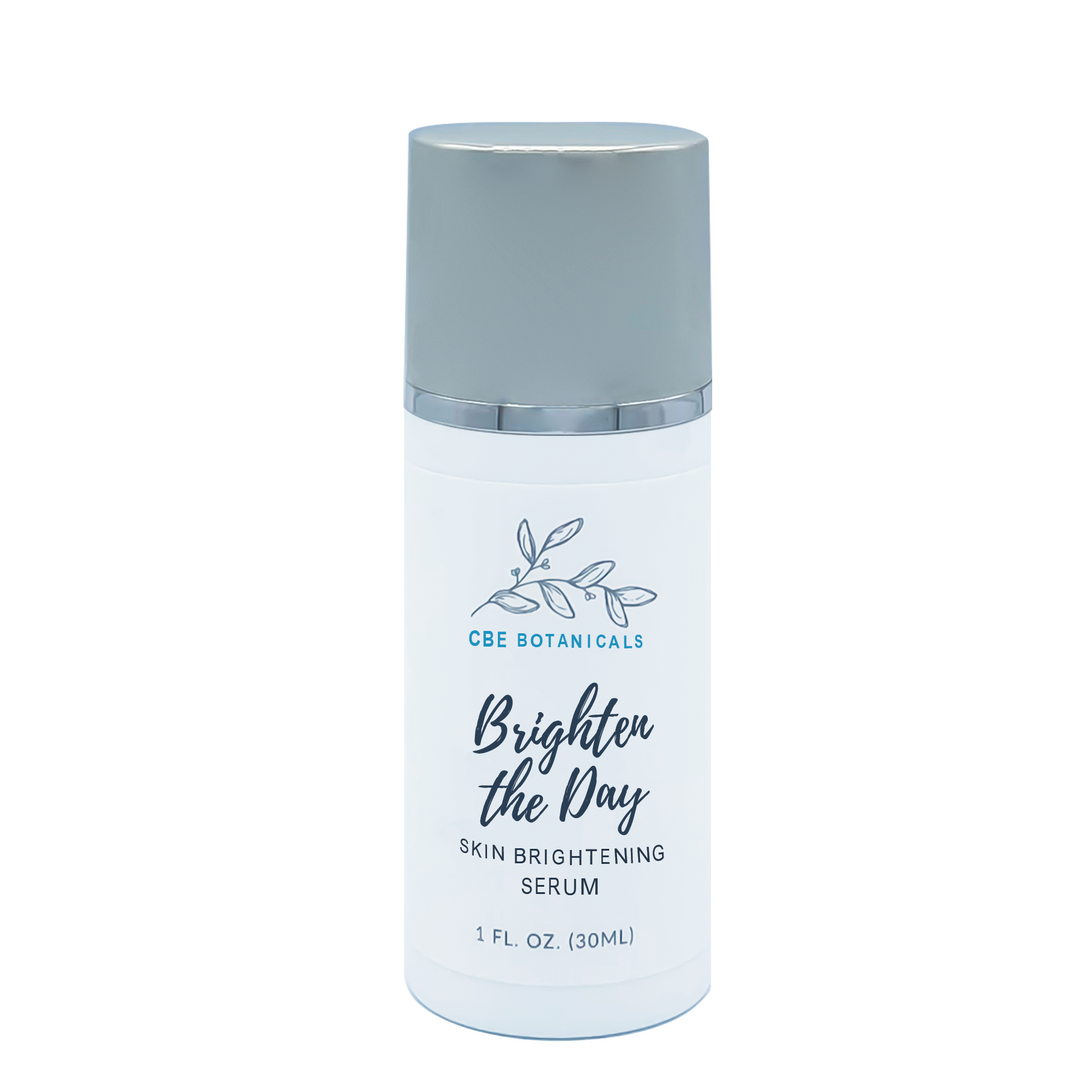
CBE Brighten The Day is a powerhouse skin-brightening serum that reduces melanin formation. Brighteners include Bearberry Extract, Licorice Extract, Daisy Extract, Green Tea, CoQ10, Vitamin E, and an ultra-gentle form of Vitamin C. In addition to botanical brighteners, it’s formulated with Sodium Hyaluronate and Red Marine Algae to increase hydration and argireline a filler-like protein that relaxes wrinkles. For best results, apply daily for brightening, moisture retention, and wrinkle reduction.

STEP 4: LED
LED therapy provides a range of benefits, including breaking up pigmentation. Pairing Brighten The Day with LED supercharges the active ingredients to accelerate antiaging benefits. For best results, I suggest using LED at least 3 times a week. This sounds like a lot, but with the Omnilux Contour Face Mask, treatments only take 10 minutes. Omnilux also has hand, eye, and a neck and décolleté masks to address a wider range of pigmentation!

In addition to brightening, LED reduces fine lines and wrinkles, improves skin texture, stimulates and prompts collagen, circulation, and cellular repair.
STEP 5: REPARATIVE MOISTURIZER
Now it’s time to seal your skin for the evening and infuse your skin with deep hydration and reparative ingredients. One of my top post-peel picks is NeoGenesis Intensive Moisturizer. It contains NeoGenesis’s patented S²RM® Technology. These topical Stem Cells/Exosomes are so powerful they’re oncology-approved for radiation burns. In addition to Exosomes, it’s formulated with Powerful Peptides and Antioxidants to nourish, protect, and heal your skin.
PRO TIPS: BOOST YOUR BRIGHTENING
- Exfoliate at least 1 other day each week with a chemical exfoliator, waiting at least 2 days after your peel. Or apply an ultra-gentle daily exfoliant such as CBE Revive Exfoliating Serum, waiting at least 2 days to begin daily application after the treatment above.

- Don’t forget daytime SPF. Few things age or darken your skin more than the sun. If you complete all the steps above but skip sunscreen, your dark spots will return, and new spots will form.
LET’S DISCUSS HOW TO TAILOR YOUR SKINCARE REGIMEN
If you want to learn more about tailoring your skincare routine as your skin matures or which home care devices are right for you, consider joining the CBE Rewards Club. As a member, you’ll receive $10 in cash rewards each month, 10% off CBE Botanicals products, and exclusive BOGO events, flash sales, contests, and prizes. Membership includes access to the Rewards Club Lounge, where you can ask me your most pressing skincare questions!
Frequently Asked Questions
When isn’t it safe to get a chemical peel?
Chemical peels can’t be administered on skin that is red, irritated, or sensitized. Wait for your skin to heal and consult a skincare professional if symptoms worsen or are prolonged.
Are chemical peels good for your skin?
Light peels (aka. superficial peels) gently remove the top layer of dead cells on your skin’s stratum corneum layer. This reveals the healthy and radiant skin beneath. When used as directed, light treatments are safe, comfortable, and effective. Medium and deep peels cause your skin to peel and shed. They intentionally damage your skin and prompt regeneration. Post-care is extremely important for safe healing after deep and medium peels.
Can I do a chemical peel at home?
Yes, you can safely complete a superficial chemical peel at home. HOP+ PLLA Micro Peel is my Master Esthetician-approved pick. Use once a week, rinsing the peel off after 1 minute. Gradually build up to 2 minutes.