




Key points:
- Sensitive skin vs. compromised skin barrier.
- Signs your barrier function is weakened.
- How to restore barrier function.
One of the things I’ve learned from doing over 10,000 facials is that a lot of my clients believe they have sensitive skin, but they don’t. The symptoms they’re experiencing are sensitized skin or a compromised skin barrier. How you treat sensitive, sensitized, and damaged skin barrier is similar, but it’s still important to know the difference.
SENSITIVE SKIN
Sensitive skin is a skin type you’re born with, and it’s rare to have truly sensitive skin. Understanding your skin type is key to tailoring your daily skincare routine.
- Normal: Your skin retains moisture, your texture is even, and you have minimal oil or are only oily before your period.
- Dry: Your skin doesn’t produce enough sebum. Without the right topicals, your skin is rough, flakey, and tight.
- Oily: Your skin produces too much sebum. Without the right topicals, your skin is shiny and your pores are enlarged.
- Combination: Just like it sounds, you have a combination of the conditions above. Maybe an oily T-zone, and the rest of your skin is dry or normal.
- Sensitive: Your skin is red, itchy, or inflamed from head to toe. Increased sensitivity is triggered by external pollution, itchy fabrics, perfumes, dyes, and synthetic actives.
SENSITIZED SKIN
Sensitized skin is reactionary skin. Regardless of your skin type, we all experience sensitized skin on occasion. Especially after overexposure to the sun, extreme weather, harsh skincare treatments, or inflammatory topicals. In most cases, new hypersensitivity is caused by new skincare products.
Some reactivity is chronic but short-lived. For example, some of my clients’ skin pinks up directly after applying retinol but retreats quickly to baseline. Chronic sensitivity is most often caused by topicals or external irritants, but not always. Be sure to read the side effects of all topical, oral, and injectable prescriptions. Many have a side effect of increased sun sensitivity or increased skin reactivity.
DAMAGED SKIN BARRIER
The stratum corneum is the top layer of your skin. It sits just above the epidermis. This dead skin cell and lipid layer acts as a protective barrier that locks in hydration and protects against the environment. When this first line of defense is weakened or stripped away, we refer to it as “damaged”. This leaves your skin vulnerable to skincare products that wouldn’t typically irritate or inflame.
Some of the top causes of damage include harsh topicals, scrubbing too hard when exfoliating, or failing to use skincare products and devices as directed. More is not better if it damages your skin barrier, and your daily routine should nourish, not break down. If you have psoriasis, eczema, rosacea, and other inflammatory skin conditions, they create patches of damage.
6 SIGNS YOUR SKIN BARRIER IS COMPROMISED
Pay attention to any changes in your skin and try to identify the cause. If you can’t identify the cause, schedule an appointment with your esthetician. Or join my Beauty Club and ask me! Be mindful that it can take months for a new skincare product to break down your barrier.
#1 SENSITIVITY TO GENTLE SKINCARE PRODUCTS
If gentle facial cleansers, toners, serums, or moisturizers sting, redden, or irritate, it could be a sign that your barrier is damaged. Your skin may also sting when exposed to heat, warm water, steam, or humidity.

However, you must be mindful of what to classify as “gentle”. Far too many products labeled “gentle”, “organic”, and “all-natural” are harsh. In fact, many skincare products, including some dermatologist-approved products, are labeled as “gentle” simply because they don’t contain fragrance. Yes, fragrance increases irritation, but you must consider the reactivity of all actives.
#2 DRYNESS AND TIGHTNESS
If your skin feels dry and tight, it’s a sign of dehydration. Dehydrated skin is often confused with dry skin. Dry skin is a skin type, and dehydrated skin is skin that isn’t locking in moisture. When the lipid layer of your skin is degraded, your skin can’t rehydrate or manage moisture loss.

You’ll need to identify and eliminate the compromising actives you’re using and replace them with actives that repair and protect. Minor damage heals in a week or less, but significant damage may take weeks or months to heal.
#3 REDNESS
Reddening is another sign of damage, but reddening can be caused by a range of factors. For example, working out, steam, and high heat boost circulation, causing your face to flush without irritation. Unexplained redness with irritation may be a sign of decreased barrier function.
I have psoriasis, so sometimes I only need to spot treat inflamed areas. The same is true for you if you have rosacea, eczema, or other inflammatory skin conditions. Chemical peels, lasers, ascorbic acid-based vitamin C, and retinol can also cause reddening, sun sensitivity, general sensitivity, and damage.
#4 DULL OR UNEVEN SKIN TEXTURE
If your skin texture transitions from bright to dull, smooth to rough and flaky, or a bit uneven to very uneven, it’s essential to identify the cause. These changes are common as you enter perimenopause and are typically resolved by transitioning to deep exfoliation and products designed for mature skin. If adjusting your skincare routine doesn’t improve skin clarity and texture, it could be decreased barrier function.

Since your skin isn’t retaining moisture, it disrupts your body’s natural exfoliating process. Some areas of your face may properly exfoliate, while other areas build up. This leaves your face looking dull and feeling rough. It also slows the rate at which hyperpigmentation fades.
#5 INCREASED OIL AND ACNE
In an effort to restore hydration, your skin may produce more sebum. This increased oil production clogs pores, increasing acne. When your barrier is weak, it’s also more susceptible to bacteria, which triggers breakouts and inflamed bumps you may mistake for acne or breakouts.
#6 INTENSIFIED LINES AND WRINKLES
When your skin is dehydrated, it sinks in, intensifying fine lines and wrinkles. This is typically more apparent in areas with thinner skin, including the skin around your eyes and mouth.
HOW TO RESTORE YOUR DAMAGED SKIN BARRIER
I suggest the routine below after lasers, chemical peels, harsh skin treatments, or any time your skin barrier is weak. The combined actives in this routine support repair and restoration from multiple aspects of skin health.
STEP 1: CLEAN + GENTLE
Your skin is weak, but you still need to cleanse it twice daily. Where many cleansers strip your skin, Clean + Gentle is pH-balancing, so it doubles as your toner. It’s gentle, but effective enough to dissolve eye makeup.

STEP 2: WEEKLY ENZYME EXFOLIATOR
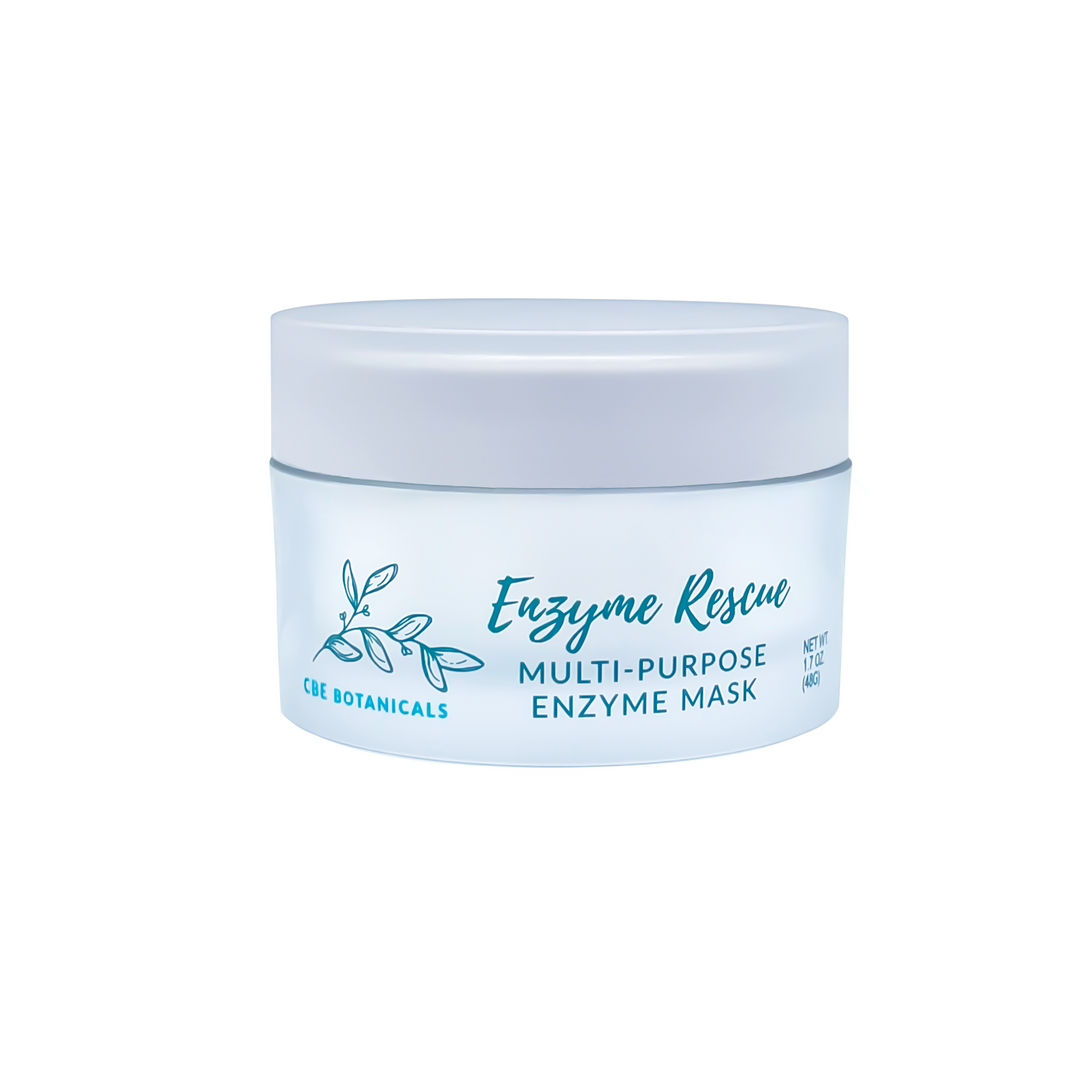
Exfoliation is key for optimal skin health, but when your skin is fragile, wait at least 5 days to exfoliate and use an extremely gentle exfoliant. I suggest a product from my signature line, the Enzyme Rescue Mask. It contains papaya and pumpkin enzymes to gently remove buildup while soothing inflammation. Use once a week while your skin repairs.

STEP 3: REPARATIVE AMPOULE
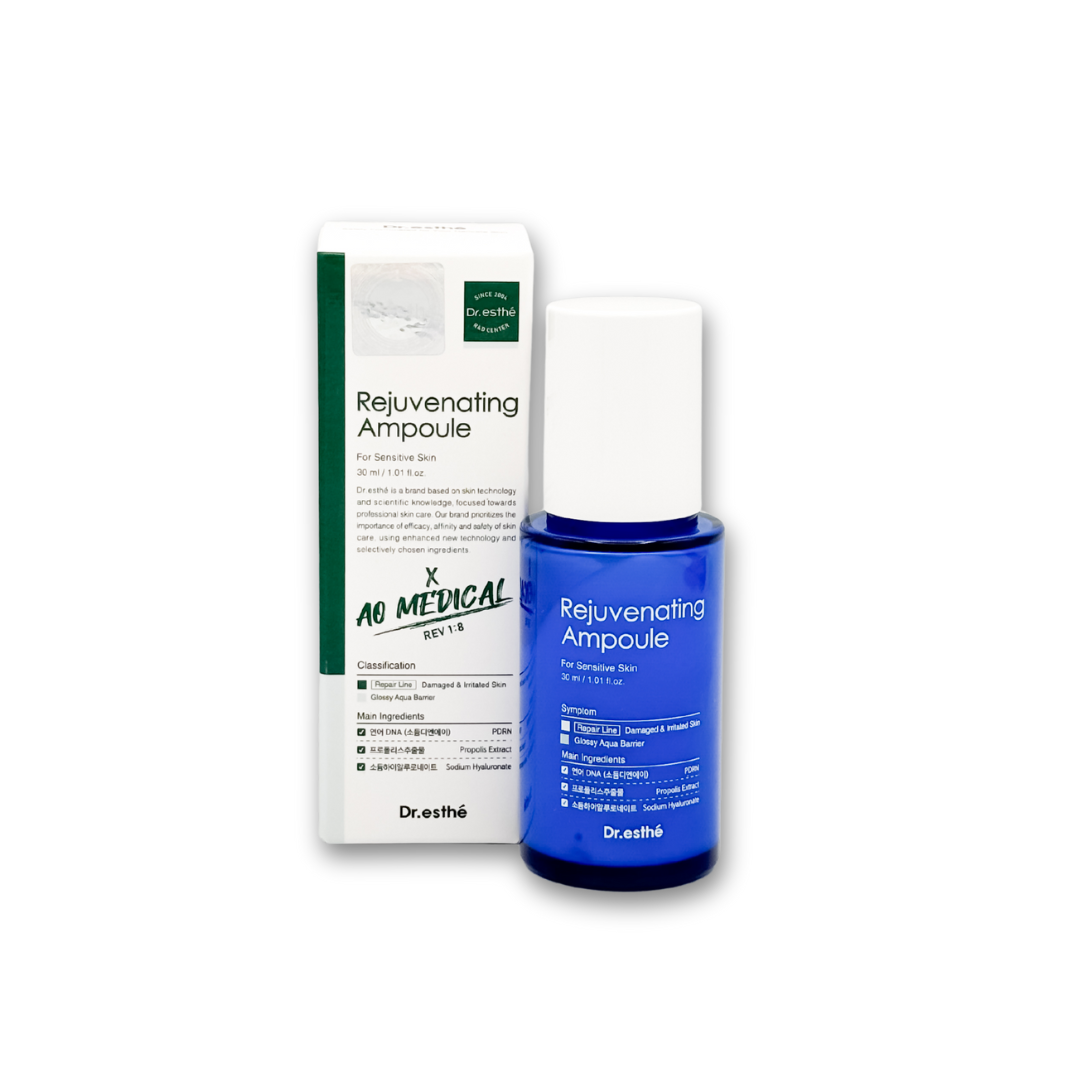
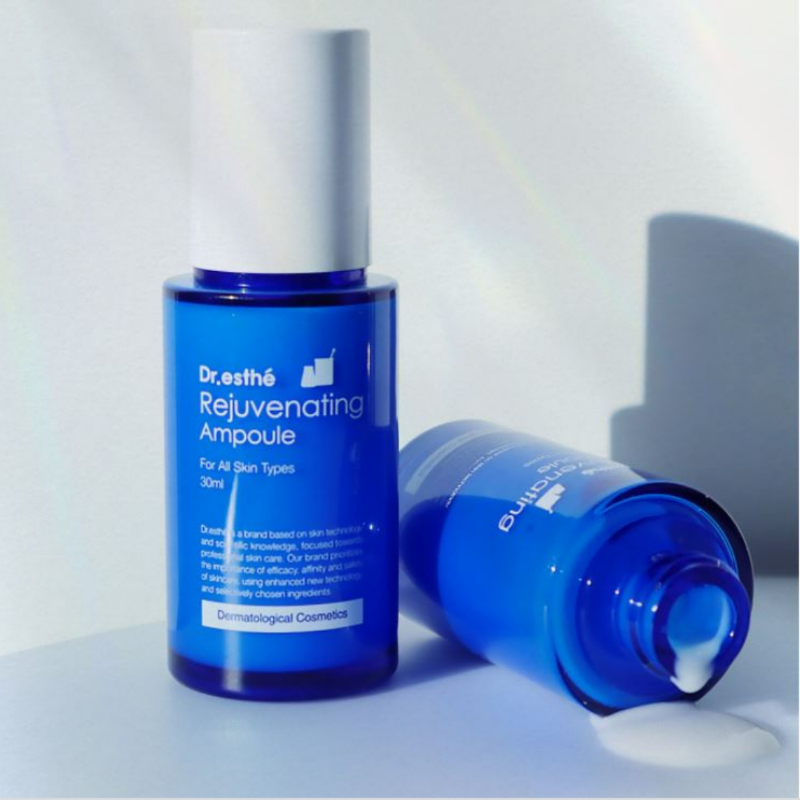
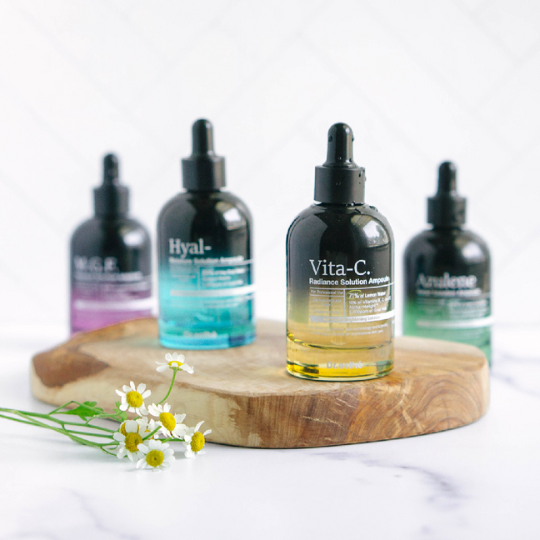
Dr. Esthé’s ampoules nourish and hydrate, while creating a layer of protection over your damaged skin. The Rejuvenating Ampoule is ideal during the day, but you can use it morning and evening. First, it restores your glow, delivering a glossy finish to rapidly boost your skin’s appearance, and your confidence. Second, its ultra-hydrating actives include PDRN and Propolis. PDRN is a biostimulator that prompts collagen production and cellular activity. Finally, the coil polymer network creates an invisible mesh screen over your face. This pushes the actives deeper into the skin and acts as a protective layer, which you need since your barrier is weak or depleted.

Dr. Esthé’s MGF Renewal Solution Ampoule is a power-packed formulation containing PDRN, Snail Mucin, 4GF Complex, Goat Milk, and a 5 Peptide Complex. These actives work together to rapidly soothe and heal, making it ideal for evening, or both your AM and PM skincare routine.
STEP 4: INTENSE MOISTURIZER
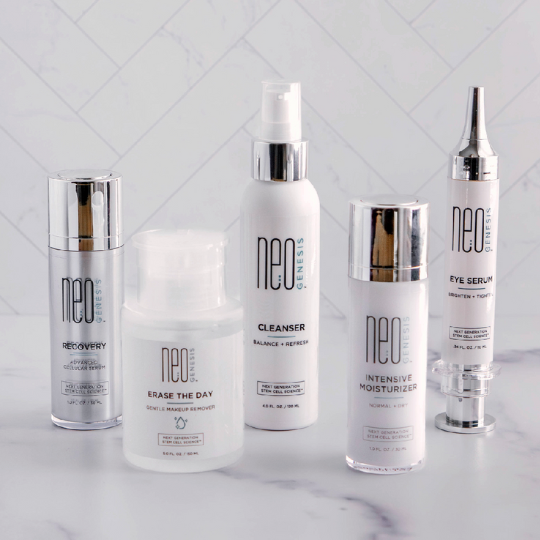
While ampoules can double as a serum and moisturizer, I suggest layering NeoGenesis Intensive Moisture on top until your skin barrier repairs. This formulation contains antioxidants, peptides, anti-aging molecules, and 5% of the patented S²RM® stem cell technology. Stem cells help rebuild your skin barrier and restore mature skin. This moisturizer is so gentle it can be used to treat and heal radiation burns and areas sensitized from chemotherapy.

OPTIONAL STEP: MICROBIOME SUPPORT FOR INFLAMMATORY SKIN CONDITIONS
For clients dealing with chronic inflammatory skin conditions—such as psoriasis, eczema, perioral dermatitis, or skin recovering from radiation or medical treatments—I often add NeoGenesis MB-2 as a targeted step. One of the biggest distinctions I want to make here is sensitive skin versus a compromised skin barrier. Conditions like psoriasis don’t just involve sensitivity; they create active barrier disruption and microbiome imbalance, which requires a different level of support.

MB-2 is a pioneering, anhydrous occlusive moisturizer formulated with five strains of live, symbiotic probiotic bacteriathat help rebalance and strengthen the skin’s microbiome while reinforcing barrier function. Because it contains no water, it doesn’t require preservatives—making it exceptionally well-tolerated by compromised, reactive skin. I’ll often recommend MB-2 as a spot treatment or final sealing layer over reparative serums and moisturizers when the skin needs calm, protection, and adaptive recovery.
Here I am sharing a before-and-after of a psoriasis flare after just one week of consistent MB-2 use, highlighting how quickly barrier support and microbiome restoration can reduce visible inflammation, scaling, and discomfort. This step isn’t about doing more—it’s about doing what the skin can actually receive when its defenses are down.
LET’S DISCUSS HOW TO TAILOR YOUR ROUTINE ONCE YOUR SKIN HEALS
Now that you know how to restore your damaged skin barrier, let’s discuss your other anti-aging concerns. You can join the Christine Byer Beauty Club to learn exclusive skincare tips for your local climate, lifestyle, skin type, and skin conditions.
I offer a 14-Day FREE preview with full access to everything in the Club. This includes answers to your personal skincare questions and access to exclusive content and discounts. If you don’t find value in your membership, cancel within 14 days at no charge.
Frequently Asked Questions
What products are best for spot-treating patches of damaged skin?
I suggest Rejuvenating Ampoule and Intensive Moisture to spot treat psoriasis, eczema, rosacea, and other areas of inflammation.
How often should you exfoliate irritated or inflamed skin?
Exfoliate once a week, waiting at least 5 days after damage, flare-up, or inflammation. I suggest the Enzyme Rescue Mask to gently exfoliate.
What to do when esthetician-approved products irritate your skin?
The products I suggest are premium, concentrated, scientifically proven, and gentle for most when used as directed. If the products I suggest irritate your skin, it’s often barrier damage or a layering issue. You could be layering 2 different acids, layering vitamin C over or under retinol, or layering vitamin C over or under acids. My YouTube channel is packed full of product layering tips. Just type the product you purchased into my channel’s search bar for a list of videos.