

- What growth factors are, and why they aren't the same as growth hormones.
- The 6 main types of skincare growth factors, and what each one does for your skin.
- Why your skin needs more than one type of GF to see meaningful results.
Growth factors have gone from a niche ingredient, to one of the ingredients I’m asked about most. Like most anti-aging trends, the conversation stops at "they're good for mature skin". Unlike most trending ingredients, skincare growth factors aren’t going anywhere. Below, I break down what growth factors are, where they come from, and how each type heals and rejuvenates your skin.
WHAT ARE GROWTH FACTORS?
Growth factors (GF) are regulatory proteins your skin produces naturally. They're part of your skin's natural restorative process, signaling cells called fibroblasts to produce collagen, elastin, and other structural proteins. GFs heal and repair, while keeping your skin firm and resilient.

Growth Factors Aren’t Growth Hormones
Growth factors aren’t hormones. Growth hormones circulate through your bloodstream to heal and repair your whole body. Growth factors act locally, at the cellular level, telling nearby cells what to repair.
WHY APPLY TOPICAL GF IF YOUR SKIN PRODUCES IT ON ITS OWN?
Your skin's natural growth factor production declines significantly with age, which is why collagen and elastin production declines. By the time you’re in your mid to late 40s, the decline becomes increasingly visible. That's the gap topical growth factors fill in your skincare routine.
WHERE DO SKINCARE GROWTH FACTORS COME FROM?
Not all skincare growth factors are created the same way, and the source matters more than most product labels let on. Stem cells (aka. exosomes) and Plant DNA are my preferred choices.
-
Human-derived: Sourced from human cells, such as dermal fibroblasts (skin cells), fat stem cells, bone marrow stem cells, or platelet-rich plasma (PRP).
-
Plant DNA: Extracted from plant and botanical tissues that signal your cells to heal and repair.
- Synthetic and bioengineered: Manufactured in a lab using recombinant DNA technology, without human cells or plant tissue.
THE 6 MAIN TYPES OF GROWTH FACTORS IN SKINCARE
This is the part most GF conversations skip, but it's the part that matters most. Different growth factors perform different roles in the restorative process. The 4GF complex found in many skincare products contains the first 4 on the list below: EGF, FGF, IGF, and TGF. When they're paired with supporting actives in a well-formulated product, they boost anti-aging capabilities.
- Epidermal Growth Factor (EGF): Drives cellular turnover in the epidermis. EGF binds to receptors on skin cells to speed up regeneration. This is why it's a go-to ingredient for post-procedure healing and repairing sun or environmental damage.
- Fibroblast Growth Factor (FGF): Activates fibroblasts directly, signaling cells to boost collagen production. FGF also supports wound healing and angiogenesis, the formation of new blood vessels that keep skin tissue nourished.
- Insulin-Like Growth Factor (IGF): Regulates cell renewal and metabolism at the cellular level. IGF plays a direct role in collagen and elastin synthesis, which is why it shows up so often in firmness and density-focused formulas.
- Transforming Growth Factor (TGF): Supports collagen production and fibronectin, a protein that helps rebuild the structural scaffolding of the dermis after it breaks down.
- Platelet-Derived Growth Factor (PDGF): Repairs damaged tissue and recruits other repair cells to the area. This is one of the growth factors your body relies on most heavily in natural wound healing. It’s why PRP therapy is so popular.
- Vascular Endothelial Growth Factor (VEGF): Supports blood flow to the skin by promoting healthy circulation at the cellular level. It supports a more radiant, less sallow complexion.
WHY GF-INFUSED PRODUCTS OUTPERFORM SINGLE INGREDIENTS?
If you’re familiar with my skincare philosophy, you know that I believe skincare products should be multi-tasking. This means they address multiple aspects of what ages your skin. Combining multiple growth factor types with high-performing actives, like Peptides, PLLA, Stem Cells, and Powerhouse Antioxidants, produces faster, more noticeable results.
WHY GROWTH FACTORS ARE A DREAM FOR MATURE SKIN?
Mature skin is where growth factors earn their reputation. GFs signal aging skin to make more collagen and repair what's breaking down. Your fibroblasts start slowing collagen production in your 20s. By the time you’re in your 40s, you’ll see the consequence of this decline in fine lines and deeper wrinkles.
WHY YOUR SKIN NEEDS MORE THAN ONE TYPE OF GF
A Systematic Review and Meta-Analysis of EGF and FGF identified an increase in tissue repair when paired together. As a Master Esthetician of 25 years, I’ve also found that applying different types of GF is more effective. Below are some of the GF-infused products on my treatment bar, all of which are available to you.
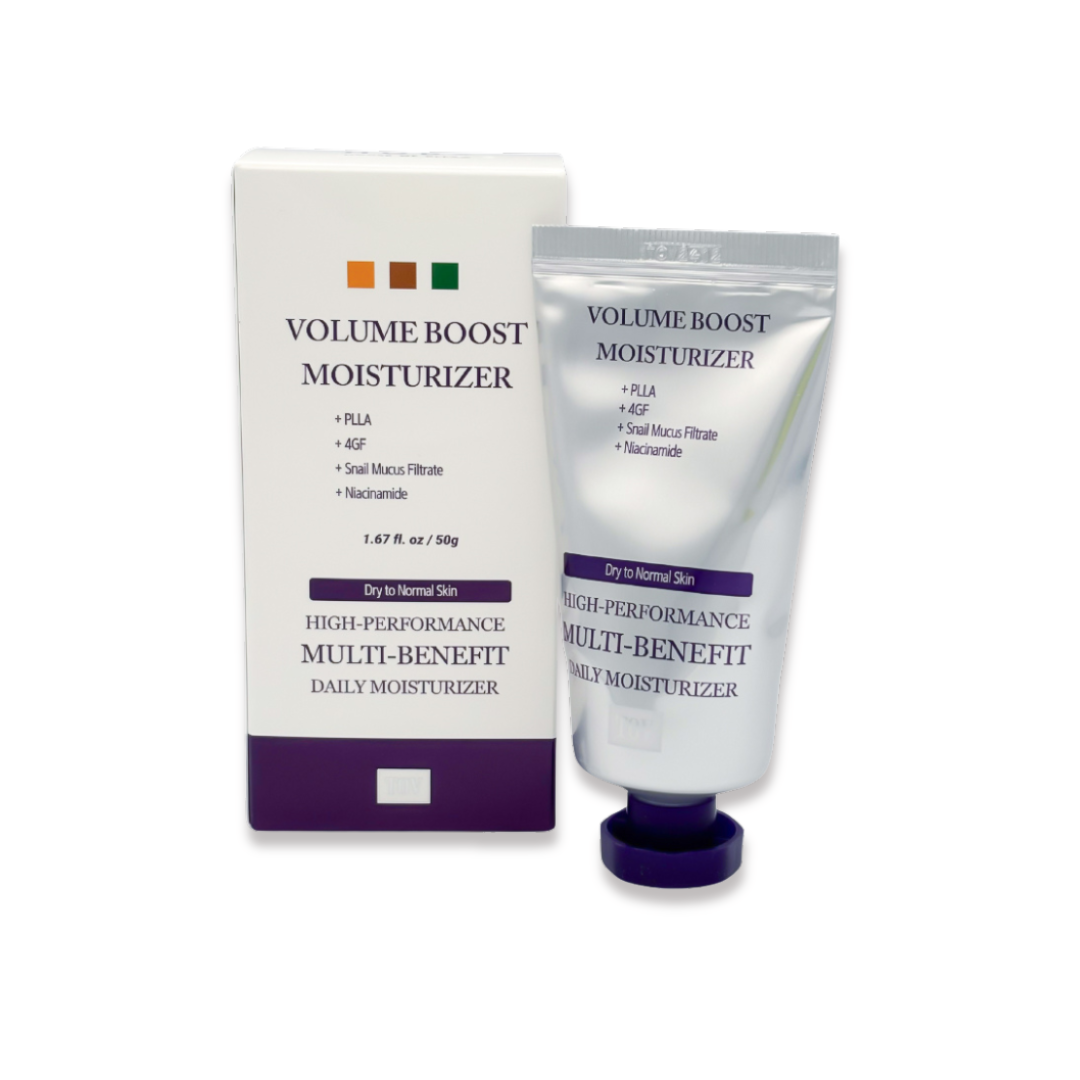
HOUSE OF PLLA® HOP+ Volume Boost Moisturizer combines 4GF Complex (EGF, FGF, IGF, and TGF) in a single formula. It also contains the biostimulator PLLA, Snail Mucus, and Plant Collagen to plump, hydrate, and renew skin.

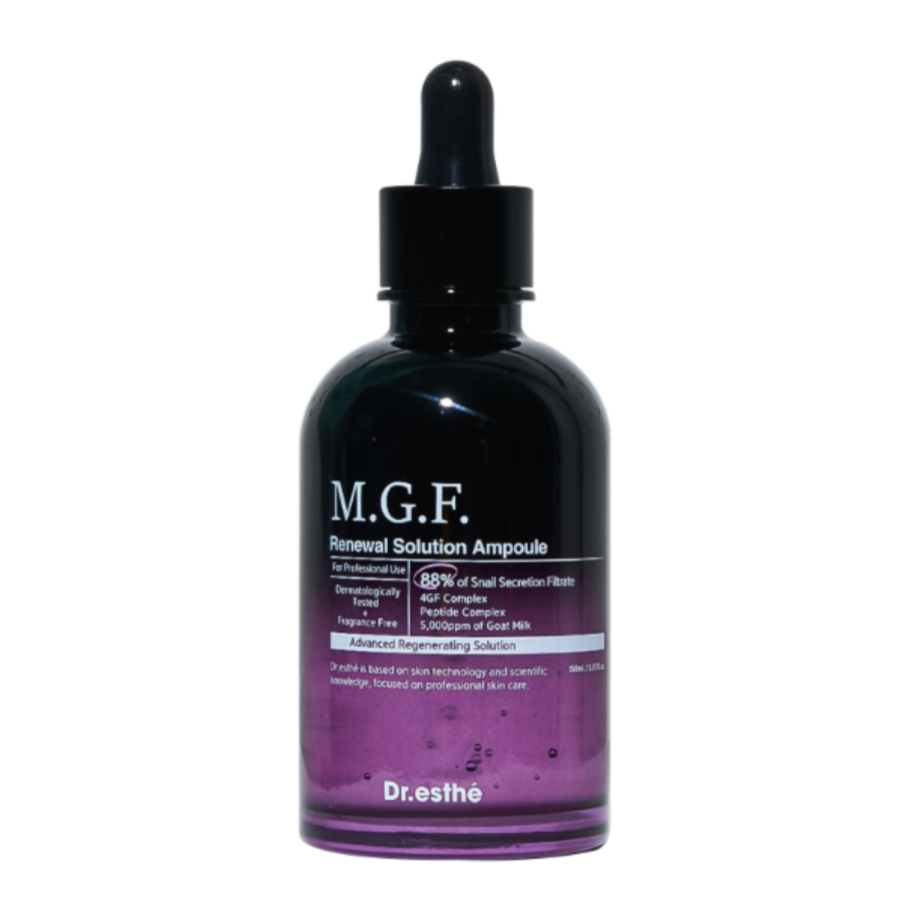
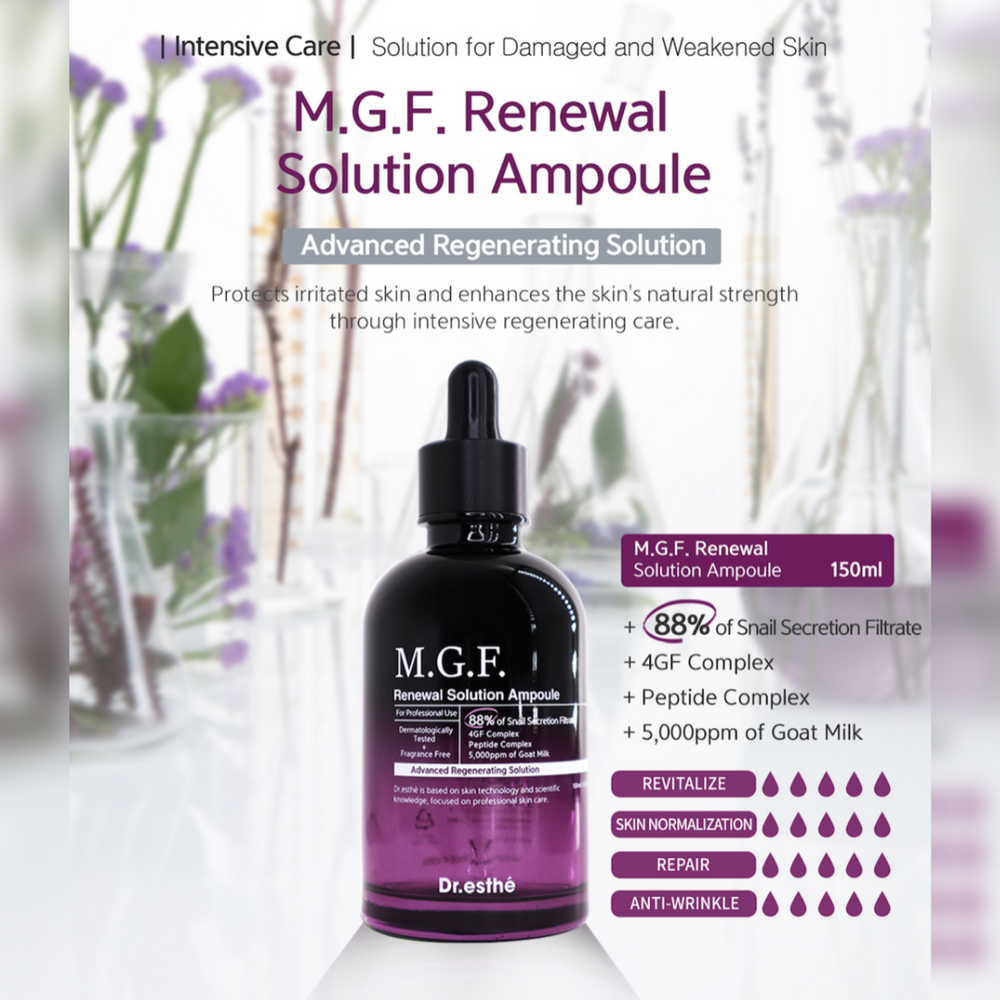
Dr. Esthé MGF Renewal Solution Ampoule is formulated with 4GF Complex, a 5 Peptide Complex, Snail Mucus, and Goat Milk. This super serum delivers deep hydration while nourishing, brightening, firming, and regenerating skin.

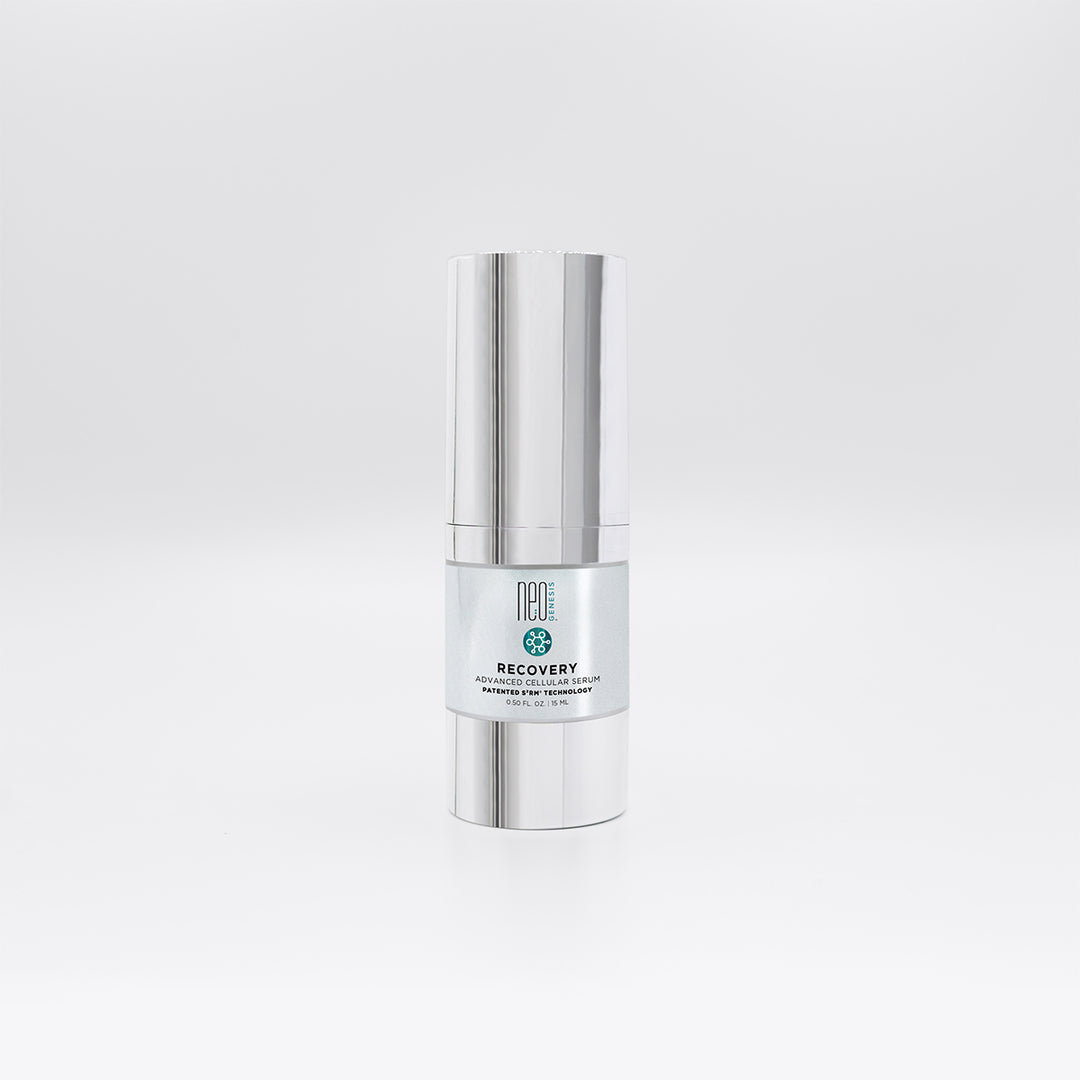
NeoGenesis products use S²RM® technology, the only exosomes and topical stem cells I’ve found that work! Rather than relying on isolated growth factors, your skin receives a balanced matrix of natural molecules to calm and repair. S²RM® is so effective that it’s approved for radiation burns and surgical wounds.

HOW LONG DO GF-INFUSED TOPICALS TAKE TO WORK?
As with all products I use and sell, growth factors revitalize your skin progressively.
-
2 to 4 weeks: Improved hydration, smoother texture, and a more radiant look.
-
6 to 8 weeks: Visible reduction in fine lines and early firmness improvements.
- 3 to 6 months: Meaningful, longer-term improvement in skin density and resilience.
LET'S KEEP BUILDING YOUR SKINCARE ROUTINE
Growth factors are one piece of a complete anti-aging approach, alongside targeted massage, high-performance products, and the right skincare devices. If you want help figuring out where growth factors fit into your skincare routine, join the CBE Rewards Club. As a member, you'll get $10 in cash rewards every month, 10% off CBE Botanicals products, and access to the Rewards Club Lounge, where you can ask me your skincare questions directly.
Frequently Asked Questions
Are growth factors the same thing as growth hormones?
No. Growth hormones circulate through your bloodstream and affect your entire body. Growth factors act locally on the skin cells they touch, signaling nearby cells to repair and regenerate. They're a normal part of your skin's own biology, not a hormone.
Can I use growth factors with retinol or vitamin C?
Yes, you can layer growth factors on at the same time as your retinol or vitamin C. What’s more important is that you don’t layer your retinol on at the same time as your vitamin C. Also avoid layering retinol and vitamin C over or under other acids, like AHA and BHA.
Are growth factor products safe for sensitive skin?
Growth factors are barrier-safe, gentle ingredients. They’re generally well tolerated on sensitive, mature, eczema-prone, and acne-prone skin. The word “growth” might read as harsh, but it’s just the biological name.
How long until I see results from growth factor skincare?
Expect improved hydration and texture within 2 to 4 weeks, visible fine line improvement between weeks 6 and 8, and continued gains in skin density over 3 to 6 months of consistent use.