

Key points:
- The terms “dry” and “dehydrated” are often used as one and the same, but they are distinctly different.
- Dry skin is a skin type you must manage daily, while dehydrated skin is often quickly resolved.
- Learn a Master Esthetician-Approved skincare routine for skin that is dry, dehydrated, damaged, or mature.
The terms “dry” and “dehydrated” are used interchangeably when talking about skin, but they’re two different concerns. Understanding the difference between dry vs. dehydrated skin is the first step in tailoring your skincare routine. If you’re 45+, the changes you see and feel in your skin are likely due to fluctuating hormones. Here’s how to tell the difference between these skin issues, and my Master Esthetician-Approved rejuvenating protocol.
DRY SKIN VS. DEHYDRATED SKIN VS. MATURE SKIN
DRY SKIN
Dry skin is a lifelong, head-to-toe skin type that you’re born with. Your sebaceous glands produce less sebum than your skin requires. Sebum is an oily substance made up of protective lipids. Without an adequate lipid layer, your skin struggles to retain moisture (oil), and your skin barrier is easily compromised.
Common symptoms include skin that is:
- Rough
- Flakey
- Itchy
- Red
DEHYDRATED SKIN
Dehydrated skin lacks water, which is something any skin type can struggle with. It may also be an indicator that your skin barrier is compromised. When your skin is dehydrated, it produces more oil as a protective barrier. This leaves you shiny and more likely to break out.
Dehydrated skin sinks in, intensifying wrinkles. Restoring hydration plumps skin back out. Dehydration is easily resolved by identifying the cause. Top causes are harsh weather, air conditioning, over-exfoliating, harsh skincare products, and internal dehydration.

Common symptoms include skin that is:
- Tight
- Sensitized
- Dull
- Crepey
- Sunken-in
MATURE SKIN
Most of the conversation surrounding mature skin is related to accelerated lines and wrinkles. However, there isn’t enough conversation surrounding how mature skin is often dehydrated and dry. Even if “dry” isn’t your skin type, fluctuating estrogen levels may lead to any combination of the symptoms above. If you don’t adjust your skincare routine accordingly, lines, wrinkles, and laxity intensify and accelerate.
MOISTURE VS. HYDRATION
Now that you understand the difference between dry versus dehydrated skin, and how mature skin can be both—let’s discuss the difference between “moisture” and “hydration”. These terms are also used interchangeably. While we all need to restore moisture after cleansing our skin, we may not all struggle with daily moisture loss.
- Moisture refers to your sebum, the oily lipid layer. Applying Lipids and Ceramides restores dry skin.
- Hydration refers to water retention. Applying Hyaluronic Acid and Peptides draws in and locks in moisture for glowing skin.
DECODING THE THICKER CREAM SKINCARE MYTH
I hear this from clients all the time, when their skin is dry or dehydrated, they switch to a thicker cream. However, moisturizer weight isn’t always the answer. There are times that an ultra-thick cream is part of the equation, but there’s so much more to consider.

Moisturizers fall into 3 primary categories: humectants, emollients, and occlusives. Thick occlusive moisturizers are helpful for minimizing dehydration when the air is dry. But thicker isn’t helpful if your skin is dry or your barrier is damaged. When thick isn’t what you need, it traps sweat, oil, and dead cells, increasing breakouts and irritation.
- Humectants attract and retain water to minimize transepidermal moisture loss. This includes Hyaluronic Acid, Sodium Hyaluronate Butyrate, Glycerin, and Panthenol (vitamin B5).
- Emollients are nourishing Lipids that smooth the skin by filling in dry gaps and cracks. This includes Ceramides, Squalane, and Nourishing Oils from Jojoba Seeds, Rosehip Seeds, and Almond Seeds.
- Occlusives seal and trap everything in to keep harsh weather and dry air out, but they don’t restore moisture. This includes Shea Butter and Cocoa Butter.
- Barrier creams are formulated to mimic, restore, and support the skin barrier. This includes products with Ceramides, Lipids, and Botanicals that boost collagen and cellular activity.
YOUR SKIN CAN BE BOTH DRY AND DEHYDRATED
If your skin type is dry, and your office is air conditioned, you live in a dry climate, or are internally dehydrated, your skin can be both dry and dehydrated. Moisture loss is often associated with winter, but there are factors that leave your skin parched year-round. Especially if you’re 45+. For many women, tight and dry skin are some of the first signs of perimenopause.
MULTI-TASKING SKIN CARE ROUTINE FOR BOTH DEHYDRATED AND DRY SKIN
If you’re familiar with my skincare philosophy, you know I prioritize premium ingredients scientifically proven to nourish and heal. The protocol below is centered around NeoGenesis’s medical-grade skincare line. Their patented S²RM® technology is the only topical stem cells I’ve found that work. Many brands just chop up stem cells and put them in their products. They either die before you apply them, or they lack a delivery system to activate your body’s reparative capabilities.

Stem cells release Exosomes, Peptides, Copper Peptides, Lipids, and everything your cells and skin need to heal and repair. S²RM® technology is so advanced that it's oncology-approved for radiation burns and other wounds. In addition to stem cells, NeoGenesis infuses its regenerative skincare line with moisturizing, hydrating, and rejuvenating Antioxidants, Oils, and Botanicals.
STEP 1: CLEANSE
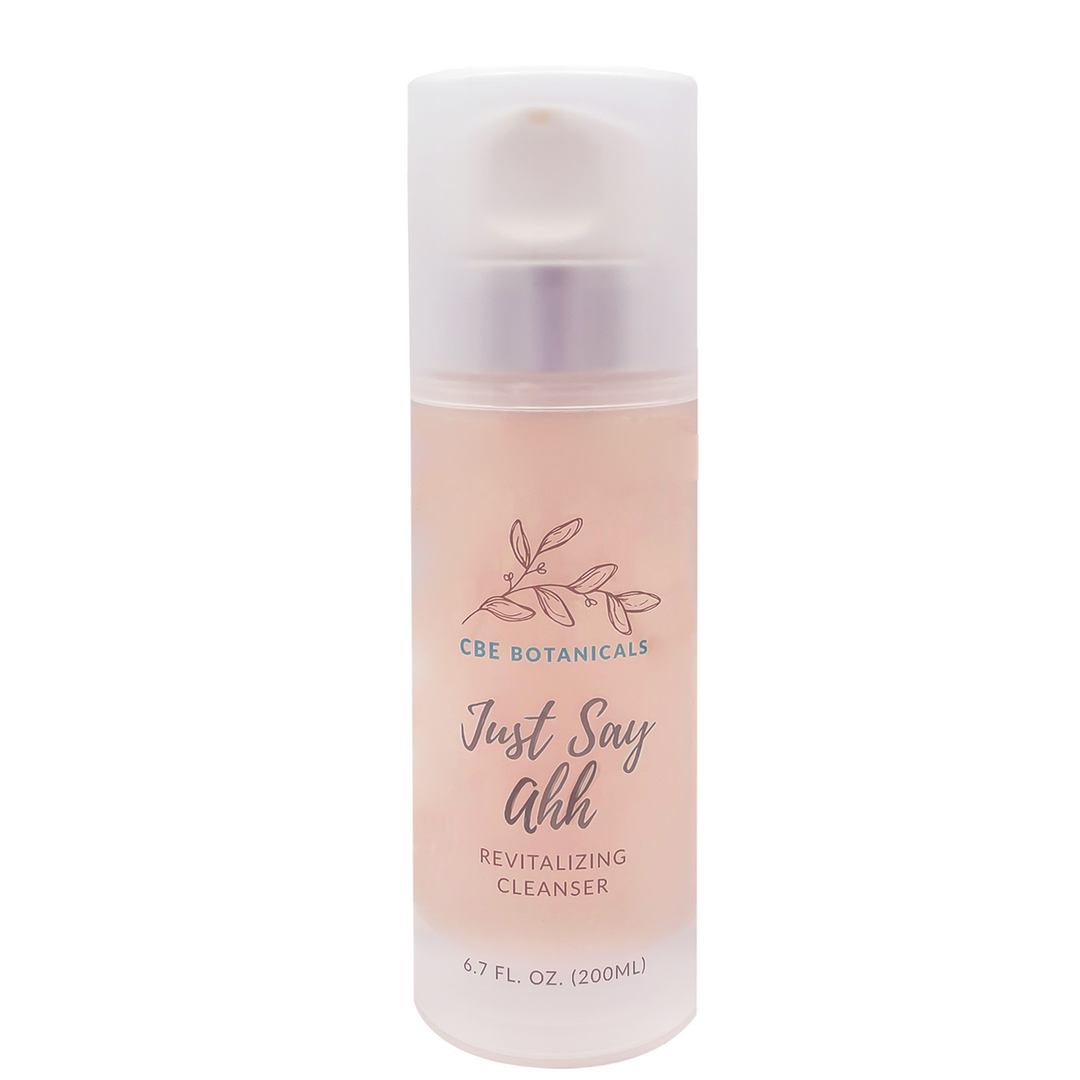
Don’t underestimate the importance of your cleanser. Many cleansers state that they’re “gentle”, but all that means is that they don’t contain artificial fragrances. Just Say Ahh Revitalizing Cleanser is from my signature skincare line. This oxygenating formulation cleanses and tones without stripping the skin. This is essential for dry, dehydrated, and mature skin. This formulation is one of our best sellers!

STEP 2: EXFOLIATE
Your skin is sensitized right now, and your barrier may be weak or depleted, but you still need to exfoliate. CBE Botanicals Enzyme Rescue is formulated with ultra-gentle Pumpkin Enzyme and Papaya Enzyme that dissolve cellular buildup without irritating fragile skin. It contains Japanese Green Tea and Comfrey to soothe redness and irritation. Apply 1 or 2 times a week for 15 minutes before rinsing off.
STEP 3: BALANCING AND HYDRATING MIST
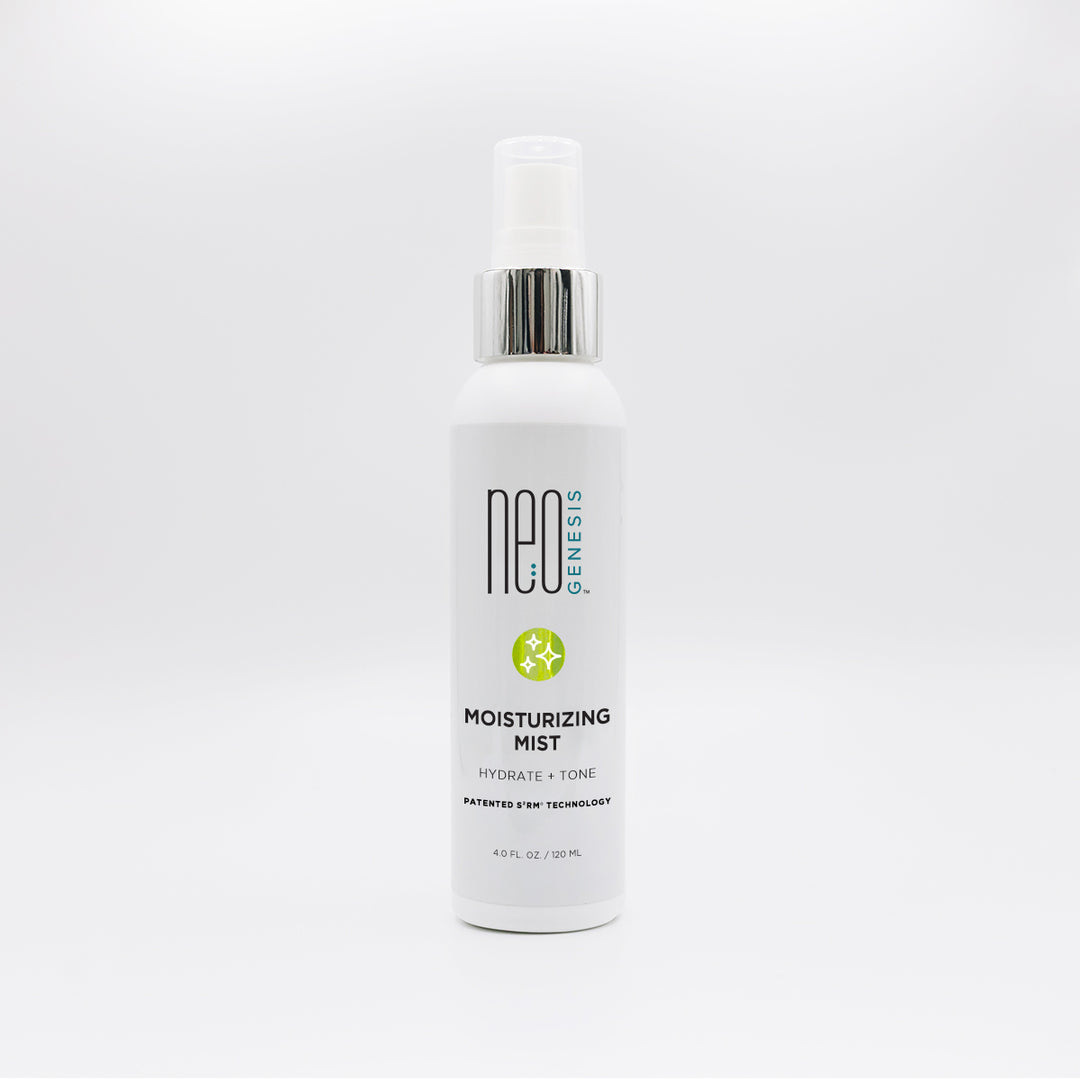
If your skin feels tight, dry, or flaky, your skin’s pH is too high. NeoGenesis Moisturizing Mist tones, soothes, hydrates, and moisturizes. I also suggest spraying this on after high heat or sun exposure, any time your skin is irritated, or as a setting spray.

STEP 4: SKIN SERUM
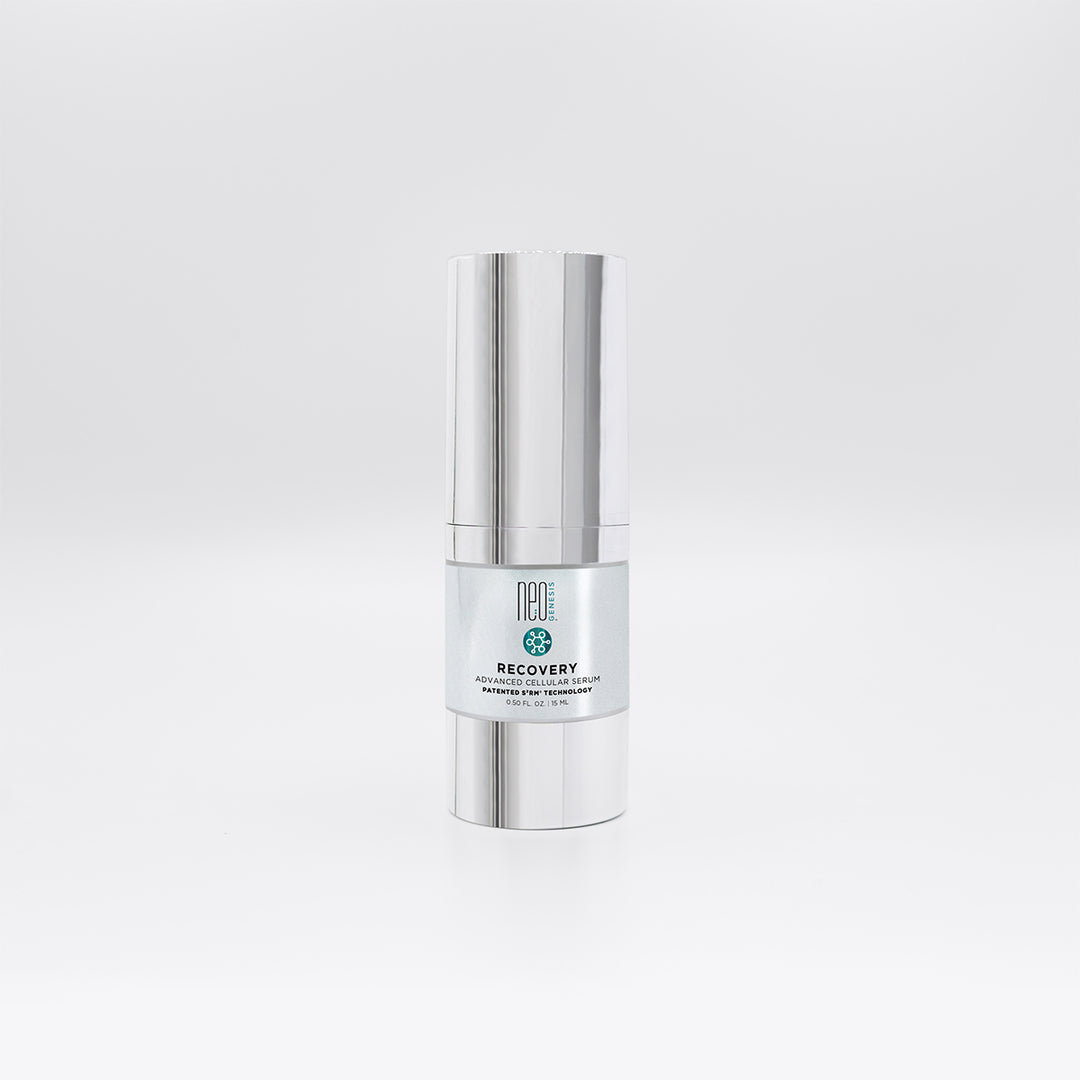
NeoGenesis Skin Serum is nourishing, hydrating, and reparative. Even if your skin isn’t dehydrated, it can always benefit from increased hydration. In addition to restoring mature, dry, and dehydrated skin, it’s a top pick for clients with acne, rosacea, and redness.
STEP 5: MOISTURIZING CREAM
Choose your daily moisturizer based on your skin’s current and evolving needs. The moisturizers below are thin enough and safe enough to apply around your eyes!
- Apply NeoGenesis Light Moisturizer morning and evening if you’re oil-prone or acne-prone or if you live in high humidity. Or only apply in the mornings when heat or humidity are high. It hydrates, moisturizes, nourishes, repairs, and protects your skin.
- NeoGenesis Intensive Moisturizer is a top pick for dry skin types and those experiencing dryness as their skin matures. It repairs and supports barrier function while infusing moisture deep into the skin. Apply twice daily, or use in combination with Light Moisturizer as your PM cream.

STEP 6: SUN PROTECTION
I can’t stress this enough, but few things damage your skin more than the sun! And whether your skin is dehydrated or dry, it’s compromised, so you can’t afford more damage or irritation. Apply any of these High-Performing Sunscreens in the morning, all of which are eligible for HSA reimbursement!
LET’S TAKE A DEEPER DIVE INTO YOUR DEHYDRATED, DRY, AND MATURE SKIN
If you want to learn more about tailoring your skincare routine or which home care devices are right for you, consider joining the CBE Rewards Club. As a member, you’ll receive $10 in cash rewards each month, 10% off CBE Botanicals products, and exclusive BOGO events, flash sales, contests, and prizes. Membership includes access to the Rewards Club Lounge, where you can ask me your most pressing skincare questions!
Frequently Asked Questions
Can your skin be both dry and dehydrated?
Yes! Dry skin is a skin type where the skin doesn’t produce enough oil/sebum. Dehydrated skin is a condition where the skin (or body) lacks moisture/water. Anyone’s skin can be dehydrated regardless of their skin type.
Can you transition to a dry skin type in menopause?
Yes. Beginning in perimenopause, fluctuating hormone levels decrease the amount of sebum your skin produces. Insufficient sebum production is the core differentiator of the dry skin type. So, your skin may transition from normal skin to dry, or from oily or sensitive to combination. If you already had combination skin, dryness may intensify.
How long does it take to restore dry skin vs. dehydrated skin?
Applying lipid-infused products to dry skin, and moisture-infusing and retaining products to dehydrated skin, delivers visible and physical results within 2 weeks or less. If your skin barrier is also damaged, it can take 3 months (or more) to repair.