

- What transepidermal water loss actually is, and why it's a barrier problem, not a skin type.
- The most overlooked causes of TEWL, including post-treatment healing time and hormonal shifts, not just active ingredient overuse.
- Why perimenopause and menopause raise your TEWL risk even if your routine hasn't changed.
- My 4-step protocol for rebuilding a damaged barrier and restoring moisture retention.
If your skin feels tight, flaky, or reactive to products you know and love, transepidermal water loss might be to blame. TEWL isn’t a skin type or diagnosis, it's a sign of barrier damage. Once you understand what it is and what’s causing it, you can adjust your skincare routine accordingly.
WHAT IS TRANSEPIDERMAL WATER LOSS?
Transepidermal water loss (TEWL) refers to water that evaporates from the deeper layers of your skin. It’s the water that passes from the dermis and epidermis, through your outermost skin barrier. Some water loss through the skin is expected and easily replaced with targeted skincare. Problems arise when you lose hydration faster than your skin can replace it. Moisture loss increases inflammation, and a stripped barrier leaves your skin more susceptible to UV rays, allergens, pathogens, and toxins.

WHY ACCELERATED WATER LOSS OCCURS?
The most common cause I see in my treatment room is active ingredient overuse. TEWL can occur at any age and even when using premium and gentle skincare products. When your barrier is compromised, it loses its ability to retain moisture. A stripped barrier is more sensitive, and even gentle products that don’t contain harsh ingredients may sting or irritate.
You Might Not Need to Eliminate Skincare Products
TEWL isn’t always a sign that you need to eliminate a product from your routine. The fix may be pausing products, reducing products, and learning how and when to layer harsh actives. But first, you’ll need to heal your skin barrier.
WHAT ARE THE TOP CAUSES OF DAMAGED SKIN BARRIER AND TEWL?
When it comes to harsh actives and skincare treatments, more is not better. More degrades your barrier and decreases moisture retention.
-
Overuse of chemical exfoliators: Applying AHAs and BHAs more than directed, or unknowingly layering multiple chemical exfoliators at the same time damages your barrier. Or if you’re layering chemical exfoliators over or under harsh actives that increase reactivity.
-
Applying retinols and retinoids too fast: Low and slow is the best approach to introducing concentrated vitamin A to your skincare routine. For prescriptions, follow your dermatologist's directions. This is typically 1 or 2 nights a week at the lowest concentration, and UV protection during the day. I suggest CBE Sleep On It encapsulated retinol. Encapsulated formulas don’t release retinol until absorbed to the deeper layers of your skin.

- Not giving your skin time to heal post-treatment: Your skin needs time to rebuild its lipid layer after chemical peels, microneedling, IPL, dermaplaning, and other harsh anti-aging treatments. You must also use at-home devices as directed, or it can damage your barrier.
WHY PERIMENOPAUSE AND MENOPAUSE MAKE TEWL WORSE
As your hormones begin to fluctuate in perimenopause, your risk for transepidermal water loss rises. Estrogen plays multiple roles in your body, including supporting ceramide production in your skin. Ceramides are a key part of your stratum corneum’s moisture-retaining lipid layer.
A peer-reviewed study on menopausal skin found that post-menopausal skin contains measurably lower ceramide levels. Lower ceramide production leads to a weakened barrier and higher TEWL risk. So, even if you haven't changed a single thing in your skincare routine, you could be experiencing barrier damage.
HOW TO REVERSE TEWL?
It doesn’t matter what’s causing your moisture loss, the solution is the same: reduce what's stripping your barrier, and rebuild what's missing.
-
Reduce active acids: Identify which of your products contain chemical exfoliants. Confirm product frequency and cut application in half until your barrier repairs. This is typically 2 or 3 days a week, but some formulas are gentle enough for daily application once your barrier heals. Only apply 1 chemical exfoliator per day.
-
Check your cleanser's pH: Many of my clients are surprised to learn the only difference in over-the-counter cleansers labeled “gentle” is that they’re fragrance-free. Identify a truly gentle cleanser that is formulated close to your skin's natural, slightly acidic pH, around 4.5 to 5.5. Ideally a product that doubles as toner, so it cleanses without stripping your natural lipid layer, and helps restore your skin’s pH balance.
- Add dedicated hydrating layers: Since your skin can’t currently retain moisture, you need to replenish and lock in water. You’ll need an ultra-hydrating formulat that is lightweight enough to penetrate to the deeper skin layers. Then you need to layer on a barriers support cream to seal your skin, and follow up with AM sunscreen.
4-STEP TEWL SKINCARE RECOVERY PROTOCOL
Here's the lineup I recommend when a client's skin shows signs of a stripped or damaged barrier with moisture loss.
STEP 1: GENTLE CLEANSER
Start with the NeoGenesis Cleanser or CBE Botanicals Clean + Gentle Cleanser. Both cleanse without stripping your barrier. In fact, they balance your skin’s pH, which is key to rebuilding your barrier.

STEP 2: HYDRATION LAYER
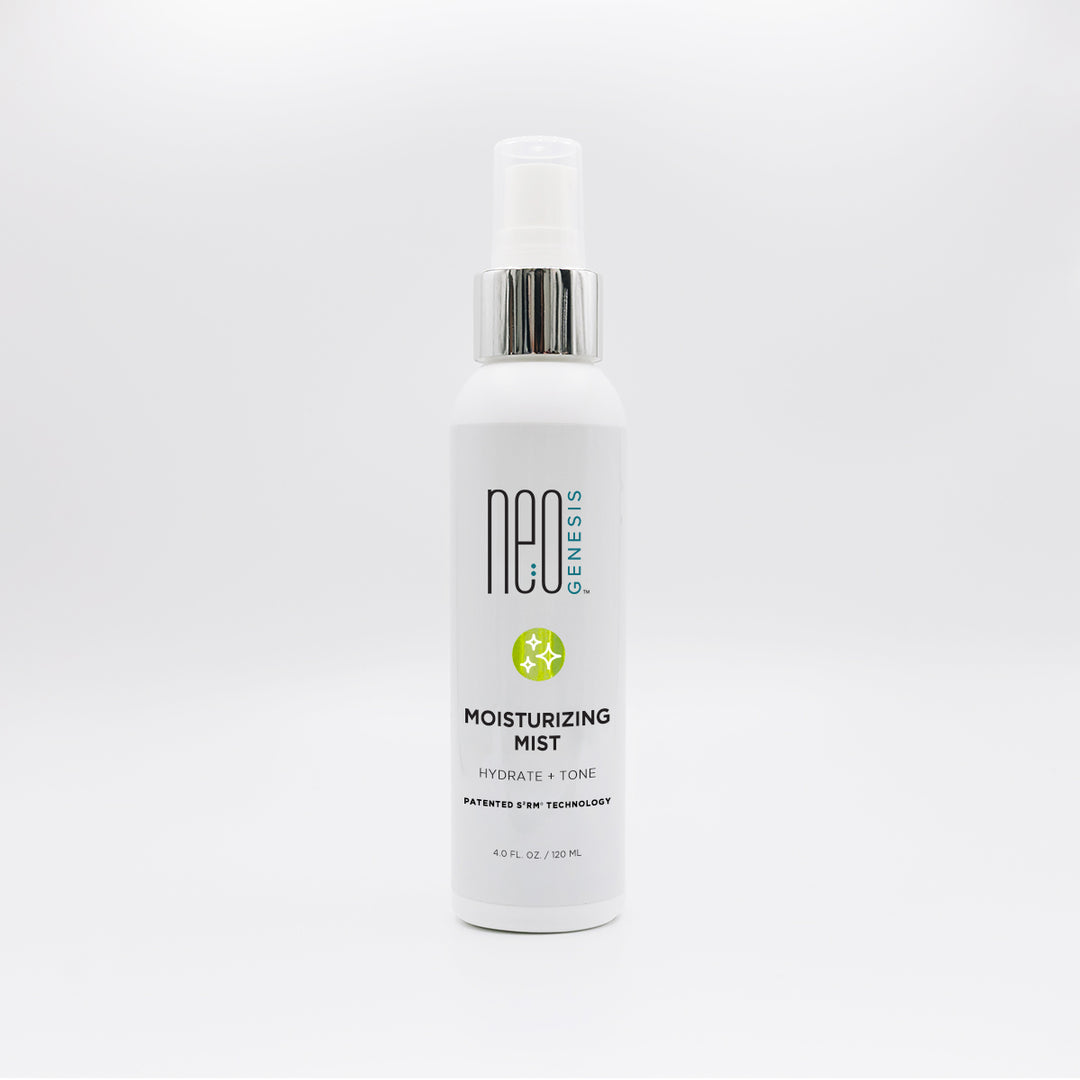
NeoGenesis Moisturizing Mist restores hydration and rebalances your skin’s pH. Reapply throughout the day whenever your skin feels tight, not just after cleansing. I also like to use it to set my makeup.

STEP 3: BARRIER SUPPORT CREAM
Dr. Esthé Dual Barrier Renewal Cream is an advanced barrier repair cream that mimics your skin’s natural lipid layer. It’s designed specifically to prevent transepidermal water loss, containing Ceramides and 2 Weights of Hyaluronic Acid. Clients with chronically parched or sensitive skin, or who live in dry climates, use this formulation year-round. Apply morning and evening, or only in the morning.
NeoGenesis MB-2 Probiotic Balm delivers an instantaneous skin barrier. It contains 5 types of Live Probiotic Bacteria to rebuild natural barrier function. This product isn’t designed for long-term use. Use to repair your barrier when skin is inflamed, or to spot treat eczema, dermatitis, psoriasis, oncology dermatitis, and wounds. It’s a bit greasy, so you may prefer to use it only in the evening.

STEP 4: PROTECT
Complete your morning routine with broad-spectrum SPF protection. When your barrier is damaged, it’s even more sensitive to UV rays.
-
Dr Esthé Sun Protection Ultra Repair SPF 50 combines sunscreen with Powerhouse Peptides and Derma Clera complex to strengthen your barrier.
- Pfect-A Solar Elixir Sunscreen is a silky-smooth serum that sinks rapidly into your skin. It also glides on easily over your makeup when you need to reapply.

HOW TO TAILOR YOUR SKINCARE ROUTINE AFTER YOUR BARRIER RECOVERS?
Once you restore barrier function, you want to keep it healthy and strong. If you want to learn how to tailor your skincare routine after it heals, join the CBE Rewards Club. As a member, you'll get $10 in cash rewards every month, 10% off CBE Botanicals products, and access to the Rewards Club Lounge, where you can ask me your skincare questions directly.
Frequently Asked Questions
Can TEWL happen even if I'm not over-exfoliating?
Yes. While active ingredient overuse is the most common cause of TEWL, it’s not the only cause. Hormonal shifts during perimenopause and menopause reduce ceramide production which increases water loss. Overuse of at-home devices and not giving your skin time to recover after harsh treatments are other causes.
How do I use Neogenesis MB-2 in my routine, daily or just during flare-ups?
MB-2 is formulated to provide an instantaneous barrier, with probiotics to rebuild your stripped barrier. Apply daily when your skin is inflamed, reactive, or your barrier is damaged. Most clients apply it PM-only because it’s a bit greasy. You can also use it to spot treat eczema, dermatitis, psoriasis, oncology dermatitis, and wounds.
How long until my skin barrier recovers from transepidermal water loss?
With minor TEWL your skin will feel less tight and dry within the first 1 to 2 weeks. For advanced skin barrier repair, you may not see or feel the difference for 4 weeks. It can take 4 to 8 weeks for full barrier restoration.
Do I need to stop my retinol or exfoliating acids completely?
Usually not completely. Cutting the frequency in half is often enough to let your barrier catch up while you reap the benefits of your active ingredients. However, you may need to pause for a week or more to allow your barrier to heal.